How these Brazilian scientists built Jennifer Aniston and Katy Perry’s favorite skincare brand
Two small-town PhDs walk into Silicon Valley. Over six years of research later, they had an “overnight success” in biotech. Here is how OneSkin won over scientists, celebrities, and customers alike.
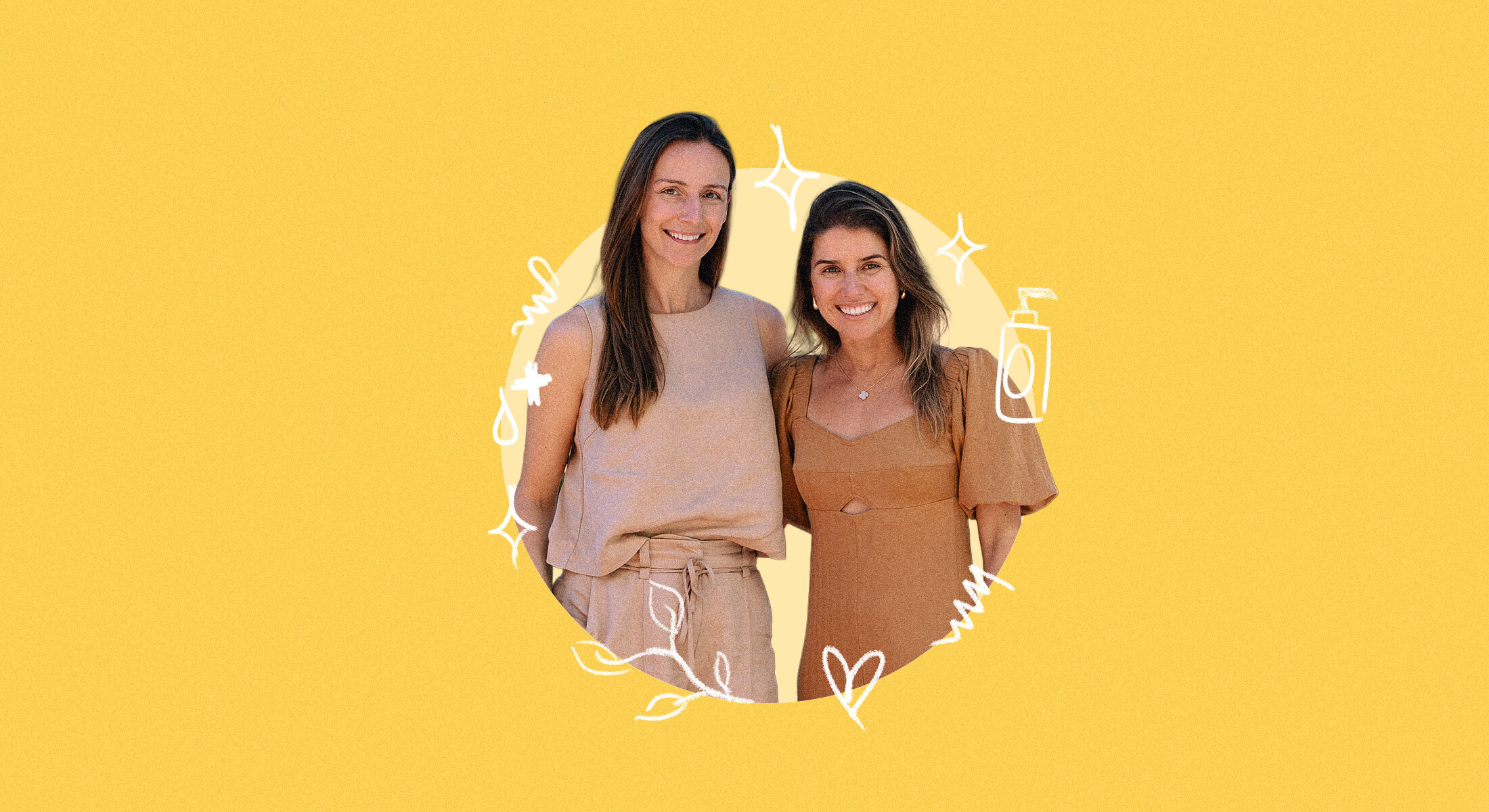
On Feb. 9, 2022, in the matter of a few hours, skincare brand OneSkin’s sales were suddenly 10 times higher than the previous day.
Co-Founders Carolina Reis and Alessandra Zonari Scheel texted the marketing team asking if there were any changes on ad spend. None, they replied. When the team checked the answers from customers on how they heard of OneSkin in the usual post-sale survey data, one familiar name kept popping up: Dr. David Sinclair.
A Harvard Medical School professor with over two million followers across platforms, Sinclair had just launched a podcast episode reviewing the science of looking younger for longer. There, he shared that he tried OneSkin’s proprietary peptide and, more importantly, said that it works.
That same day, two other prominent figures in the topic of longevity, Tony Robbins and Peter Diamandis, launched a book that included the company’s story and the product went even more viral. That year — six years after the product started being researched and developed but only a year after launch — OneSkin reached profitability.
OneSkin gained popularity among the longevity community for a reason. The company was never built as another beauty brand promising to fake the appearance of younger-looking skin. Founded by four Brazilian scientists with PhDs in stem-cell biology, tissue engineering, and bioinformatics. OneSkin asked whether it was possible to decelerate skin aging itself, at a cellular level, rather than asking how to conceal the signs cosmetically.
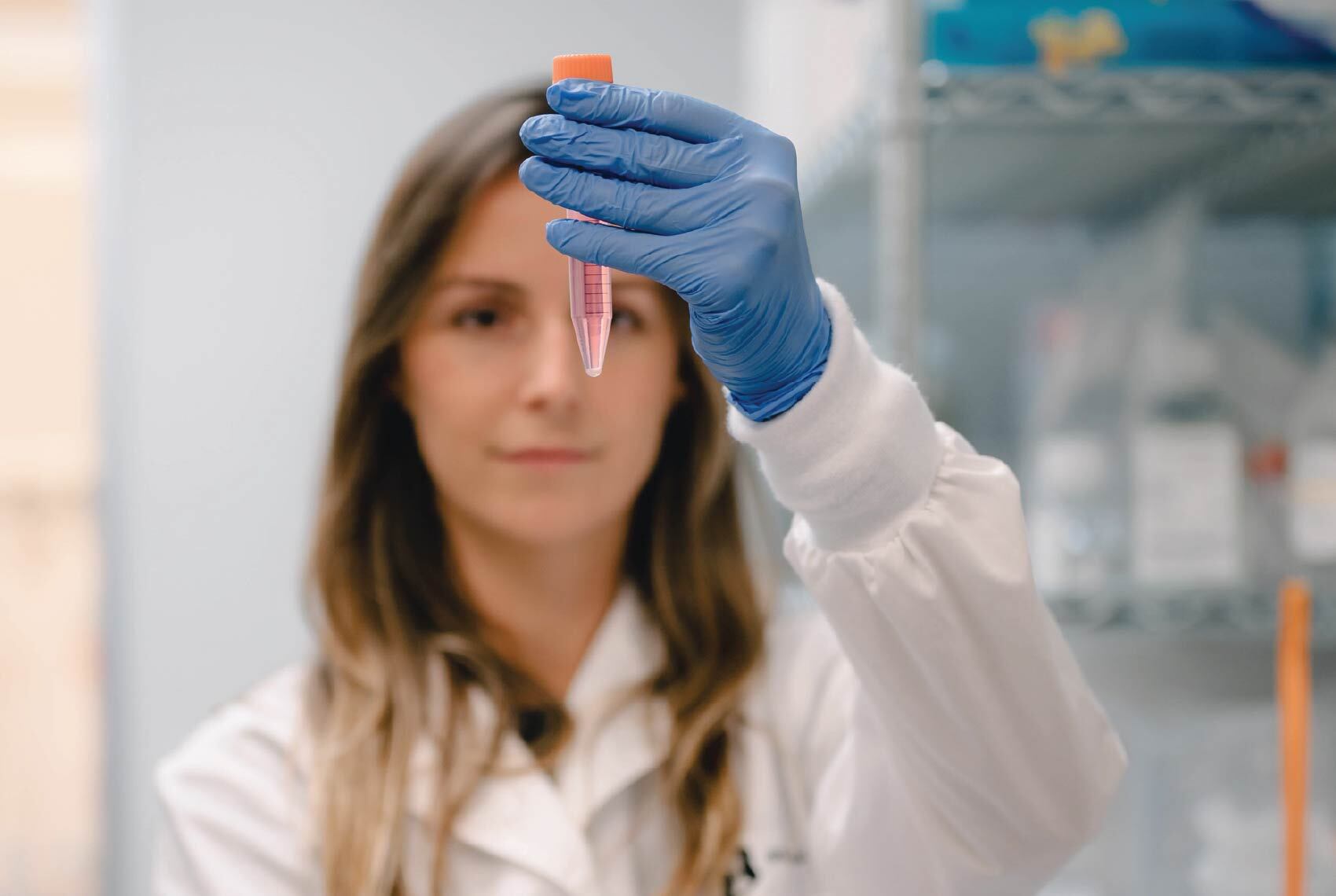
“The fact that I immediately bought the product after meeting them says it all,” shares Lisa Shalett, former CMO of Goldman Sachs, during deliberations at the International Selection Panel (ISP) where Carolina and Alessandra were chosen as Endeavor Entrepreneurs in December 2024. Every year, Endeavor reviews thousands of companies, and fewer than 1% of candidates go through this last stage and get selected to join our global community.
Lisa and our other panelists were amazed by the numbers and the duo’s skills as businesswomen, in spite of spending most of their careers in academia.
" These are two incredibly inspiring founders and human beings. Despite a lot of noise and competition, they brought science to the forefront, which is impressive."
Lisa Shalett
former CMO of Goldman Sachs
What may have seemed like overnight success was the culmination of a journey that started much earlier, driven less by hype than by quality obsession and resilience.
It all started with a cloned sheep
“Can I cure cancer one day?” Alessandra would ask herself as a kid.
Hailing from a small town in the landlocked Brazilian state of Minas Gerais, she had lost a number of family members to the disease. In the mid-90s, seeing Dolly the sheep become the first cloned mammal in history, she thought maybe she could grow up to clone her loved ones, too.
Those early dreams, however fanciful, planted the seeds of a lifelong passion for biology and translating science into impact. But a decade into her studies, while in Portugal for her post-doctorate, Alessandra felt like she was hitting a wall inside academia and not improving lives as she’d hoped. Depressed and unsure of what to do next, she got an email from her friend from university, Carolina.
Carolina was back in Brazil, where she had co-founded CellSeq, a company set out to use stem cells to grow human skin in labs as an alternative to animal testing. Although they were successful on the science side, they were not finding much support or funding. “No one ‘spoke’ both biotech and business in Brazil,” Carolina remembers. So in 2016, she applied to IndieBio, a biotech-focused accelerator in San Francisco, with her co-founders, Mariana Boroni and Juliana Carvalho, who left operations in 2023. They had nothing but an idea: to use the synthetic skin technology to test products already in the market.
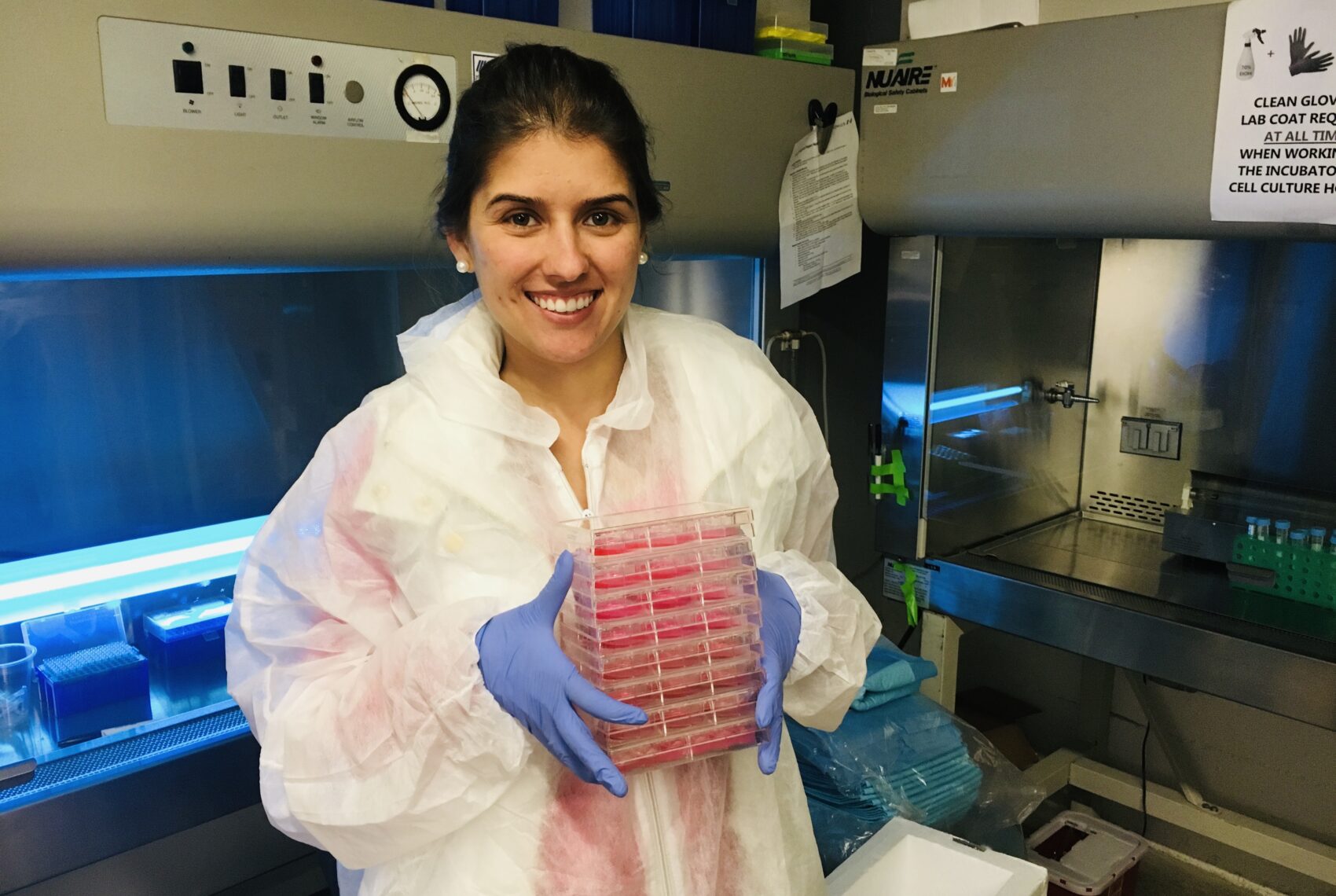
Her co-founders still had full-time jobs, so it was decided they would contribute remotely while Carolina moved to the US by herself. Coming from a family of entrepreneurs, Carolina has always been inspired by solving hard problems: “I didn’t know a single person here, could barely speak English, didn’t have a product. But we got accepted, so I thought, ‘Okay, I’ll figure it out’.”
That’s when Carolina invited Alessandra to move to San Francisco and join the company. “I’ve always wanted to work with her. We already counted on her expertise a lot,” Carolina recalls, “I wrote that email thinking she would never want to come, but I was very surprised and happy when she did.”
The two became roommates and best friends, in addition to lab and business partners.
The long path to the right molecule
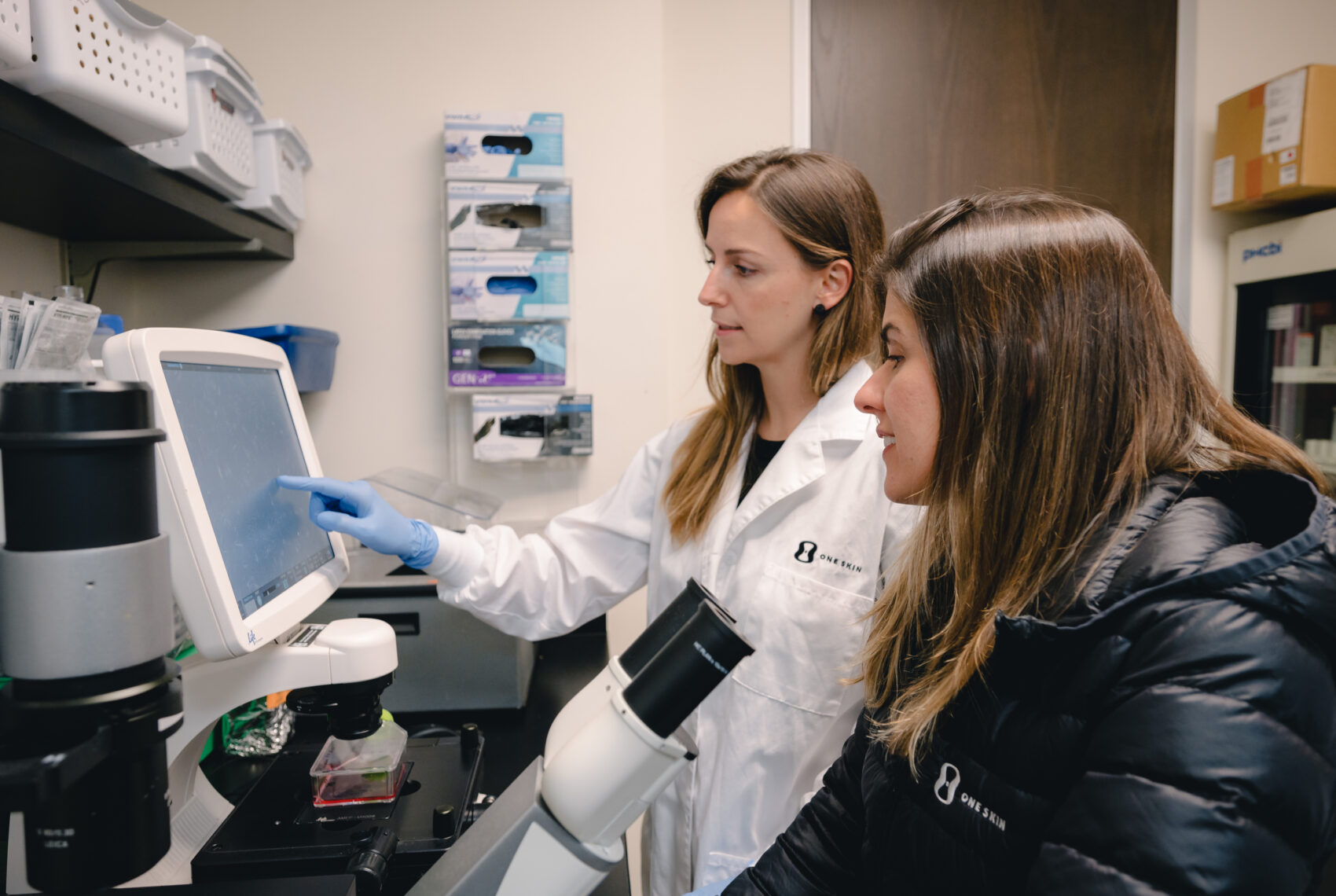
In the months that followed, Carolina and Alessandra discovered that most existing products were either unable to actually reverse the skin’s age or, worse, caused inflammation and potentially accelerated skin aging. Identifying a clear market gap for a scientifically validated product in the space, the team pivoted to search for new molecules that could target aging at the cellular level, which eventually would lead to them developing their own products.
The team’s ability to grow human skin allowed them to take a science-based approach to testing over 900 peptides, eventually discovering OS-01, the only ingredient on the market proven to reverse skin’s biological age.
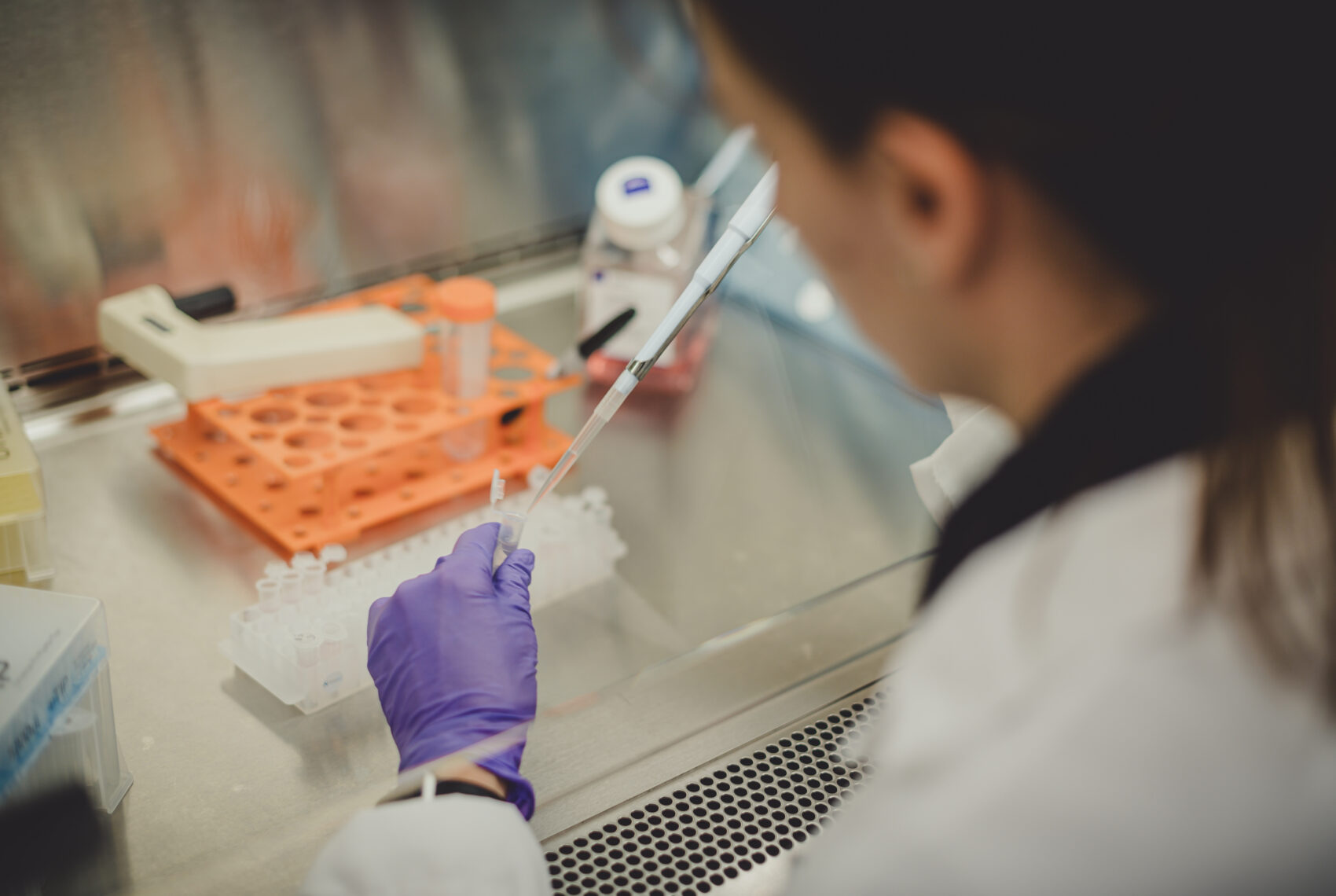
The molecule targets cellular senescence, the buildup of “zombie cells” that stop functioning properly but refuse to die. These cells fuel inflammation throughout the body and are linked to aging and diseases affecting the brain, heart, bones, and more. In skin, they don’t just cause wrinkles; they weaken its protective barrier, reduce its ability to repair itself, and increase the risk of skin cancer.
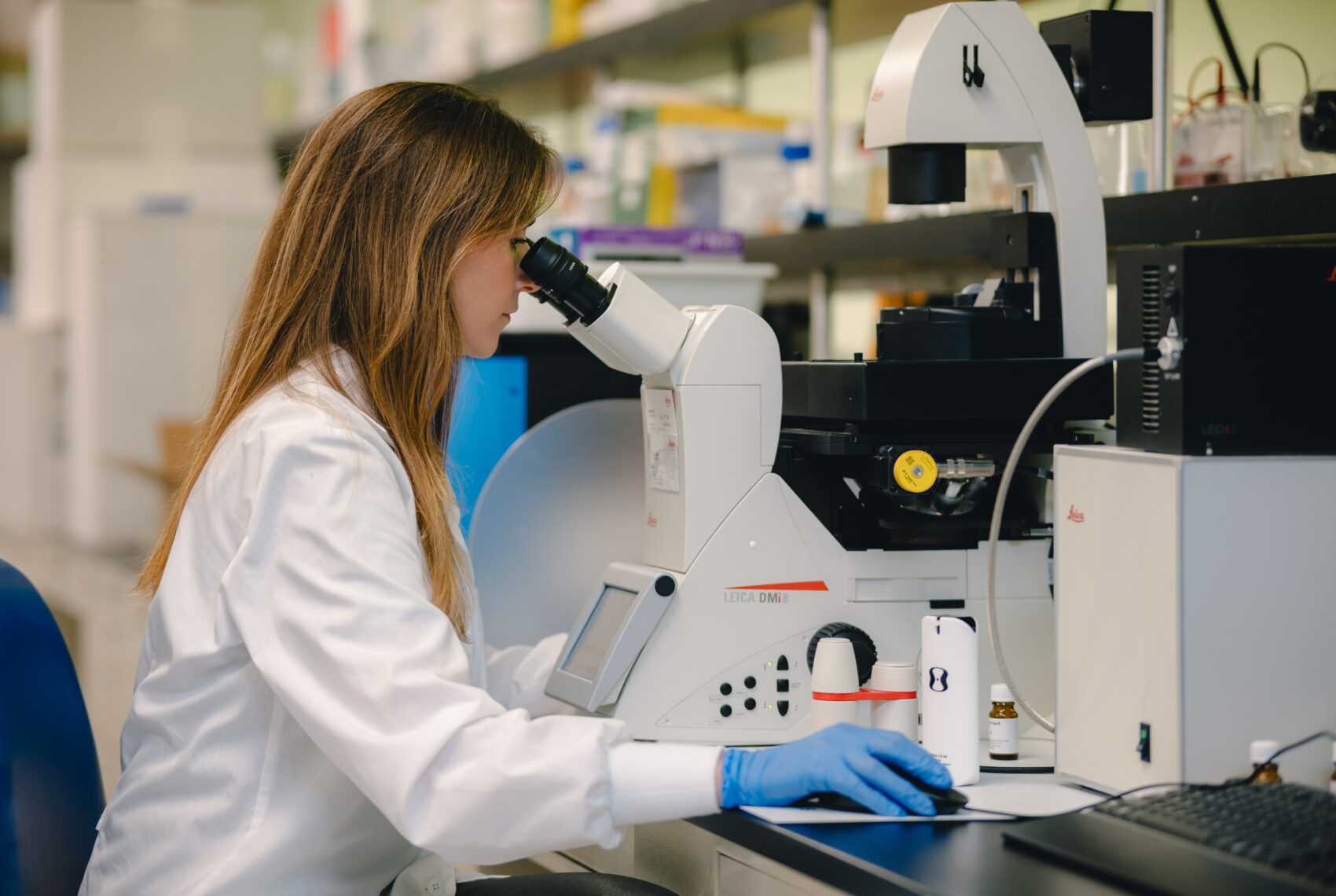
“The beginning felt like a continuation of academia,” says Alessandra about the extensive experimentation and the financial struggles, given that early backing from the accelerator and angel investors was stretched through the research and development phase. At one point, they were stuck in a conundrum: Early investors wanted them to run trials on actual humans in order to deploy more capital, but the entrepreneurs didn’t have enough money for clinical studies. Carolina took the products to Brazil and convinced her mom, friends, and friends’ moms to try them out.
“A few years later, I went to Senhora de Oliveira, a 7,000-person town in Minas Gerais, for Carolina’s wedding, and I already knew everyone from their before-and-after photos,” Alessandra jokes. Once investors could see how well the product worked, OneSkin could raise a robust Seed round to finally take their product to market.
From lab to Hollywood
The first year after the official launch was not easy. Without marketing or distribution experience, the company almost ran out of cash at the end of 2021. But they did have expertise in connecting with science brains, which led to the trajectory-changing endorsements from the health and longevity community in 2022.
After that, the company also became a favorite among celebrities. Actress Jennifer Aniston, for example, found them on Instagram and recommended them organically. Singer Katy Perry mentioned them twice. Actor Matthew McConaughey said he uses OneSkin’s hair serum, and his wife, Brazilian-American model and designer Camila Alves McConaughey, even joined the company’s over-subscribed $20M Series A round in 2024.
" There was strong evidence that they were shaping a love brand."
Leticia Broering
Senior Manager, Entrepreneur Selection at Endeavor Global.
And they did: OneSkin has 94% customer satisfaction and astronomical rates of subscription retention and repeat purchases.
“We had been wanting to bring them closer to Endeavor for a long while, but we didn’t know how to approach the fact that they were in California,” Leticia remembers. A few years ago, Endeavor didn’t have a habit of selecting companies based in more mature ecosystems. “With time, we understood the huge impact that diaspora teams had in their home countries and how we could support them as well.”
For Carolina and Alessandra, betting on the United States was never about turning their backs on Brazil, but rather about choosing the arena where their dreams of bringing science to the world would come to life, a place that also allowed them to dream bigger. Building OneSkin in Silicon Valley meant proximity to capital, cutting-edge science, and a consumer market large enough to reward long-term thinking. And while they’re currently focused on building a global brand from the US first, they dream of scaling it to Brazil.
That connection was always present in how they defined success. Carolina and Alessandra had looked up to Brazilian Endeavor Entrepreneurs as the gold standard of what was possible long before joining Endeavor in 2024. “Being in the same community as them was amazing,” Alessandra reflects.
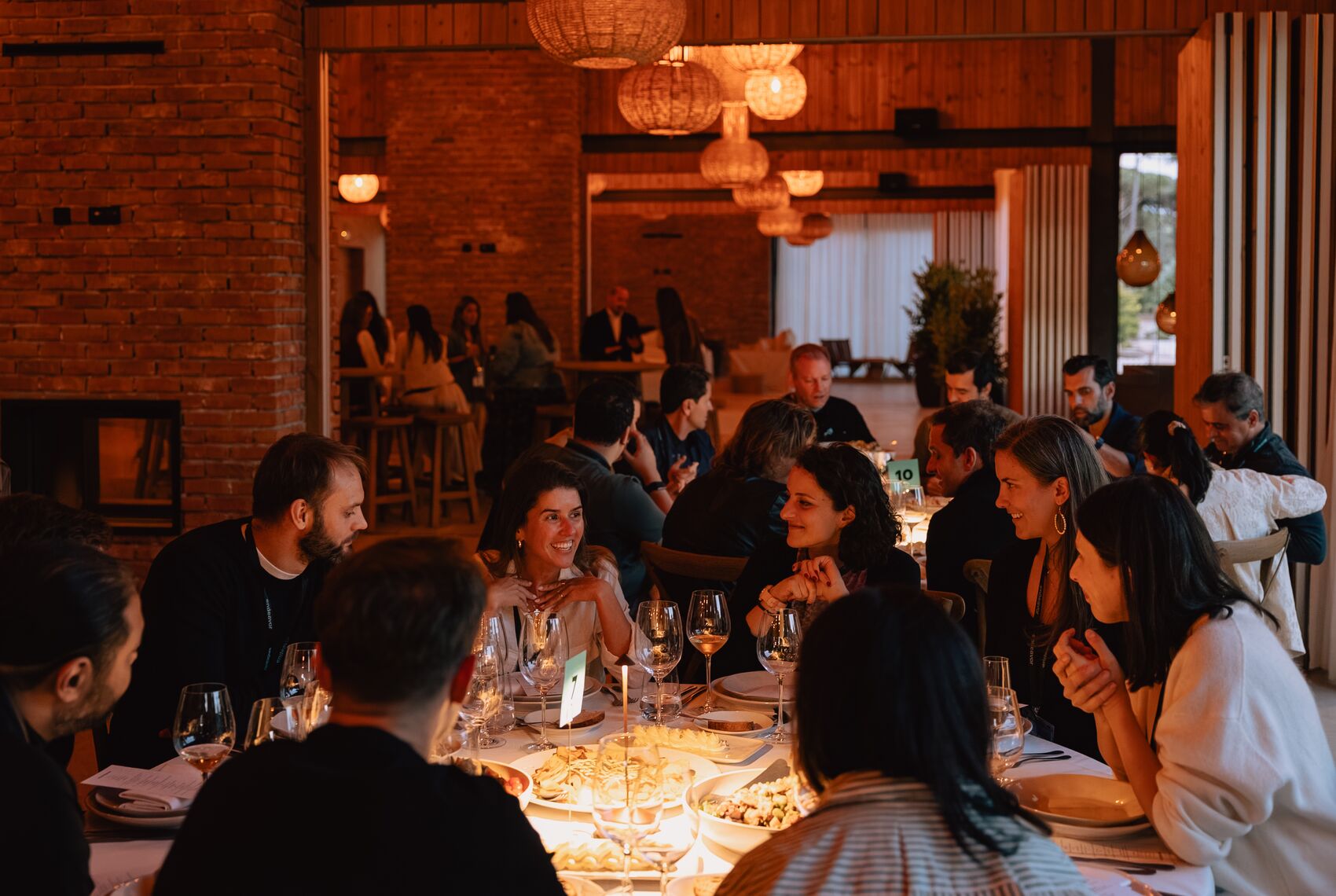
While Endeavor helped them navigate big technical milestones, from cap-table adjustments to growth strategy, its deepest impact, the founders say, was human. In peer circles and retreats, Carolina and Alessandra found permission to be vulnerable, which is rare in high-performance environments. Sitting across from entrepreneurs they always admired from afar, they realized that even the most successful founders wrestle with doubt, fear, and exhaustion.
That shared honesty recalibrated their confidence. They weren’t impostors. They were learning on the job like everyone else, and becoming role models themselves in the meantime. Carolina left Brazil in part because no one there spoke both biotech and business, but examples like OneSkin’s can change things for the better. Between 2016 and 2023, VC investment in Brazilian biotech grew more than 30x, and the country’s share of LATAM funding rose from ~25% to ~60%.
Meanwhile, OneSkin’s revenue grew at an average compounded rate of approximately 161% per year from 2021 through 2025 — about a 46-fold increase over the four-year period. Most Endeavor panelists mentioned they saw great unicorn potential. “Not many deep scientists manage to get a brand established, and they seem to get it right,” Tjaart van der Walt, co-founder of South African fintech unicorn Tyme Group, observed. “The two founders were exceptional.
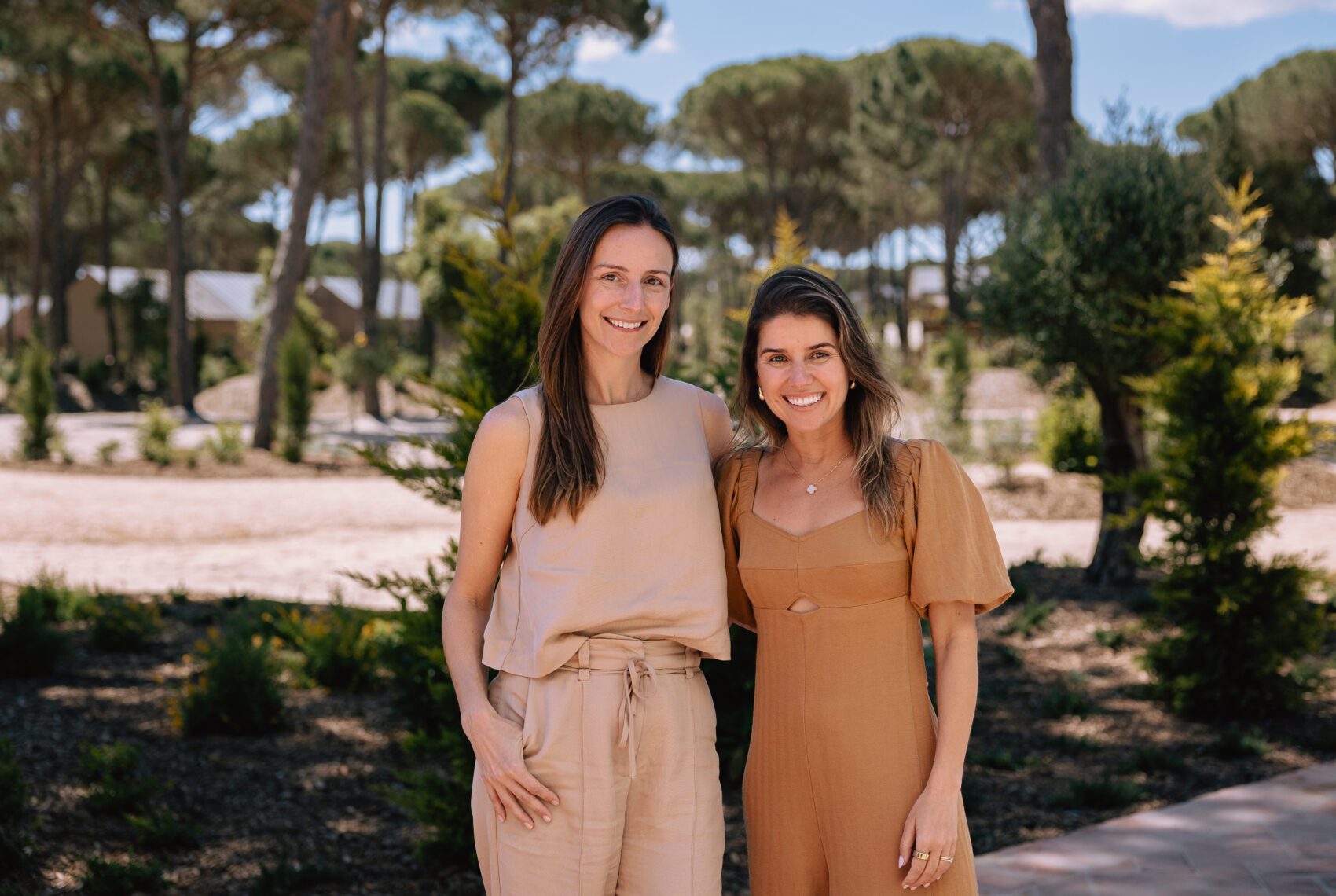
Carolina and Alessandra’s story is about what happens when founders choose environments that challenge them, communities that hold them, and visions big enough to cross borders, even when they don’t traditionally ‘fit the mold.’
“Deep down, we’re still scientists running experiments,” Carolina comments. “Our mission has always been to empower people to take ownership of their health. We believe OneSkin has the opportunity to be a legacy brand that will fundamentally change how we think about aging.” OneSkin’s trajectory echoes the science behind it: lasting change comes from hard, patient work — and from staying true to who you are.
Featured Stories
The fintech unicorn that changed the face of success in Japan
Is your support system built for the shadow or the show?
Meet Luca Ferrari, the Italian entrepreneur acquiring all your favorite companies
Related Articles
The fintech unicorn that changed the face of success in Japan
Is your support system built for the shadow or the show?