Is your support system built for the shadow or the show?
Surround yourself with people your ego wants to fire.

Picture a typical board meeting. The founder’s job seems to project a sense of certainty — or so it feels from their seat. Board members perform confidence back. The meeting moves forward as if everything is fine, and some of the questions that mattered most never even get asked.
Nobody in the room is trying to be unhelpful. It’s just how the room is built. Everyone at that table either works for the founder or has bought into their story, and even the most engaged investor-director answers to a fund, runs a portfolio, and carries an exit timeline that may not match the founder’s own. As a result, the hardest moments often end up finding founders functionally alone.
This dynamic rarely stays contained to the boardroom, either. A founder who performs certainty for investors tends to perform it everywhere: with their team, their peers, sometimes their own family. That’s why any real diagnosis of a founder’s support system has to take in the fuller picture of the people around them.
But support systems only work if they’re built before they’re needed. By the time the hard moment arrives, it’s too late to start building what could have caught it. Trust takes time. Context takes time. A new board member needs six months before they add real value; a new therapist, several sessions; a peer, long enough to have seen you at your worst.
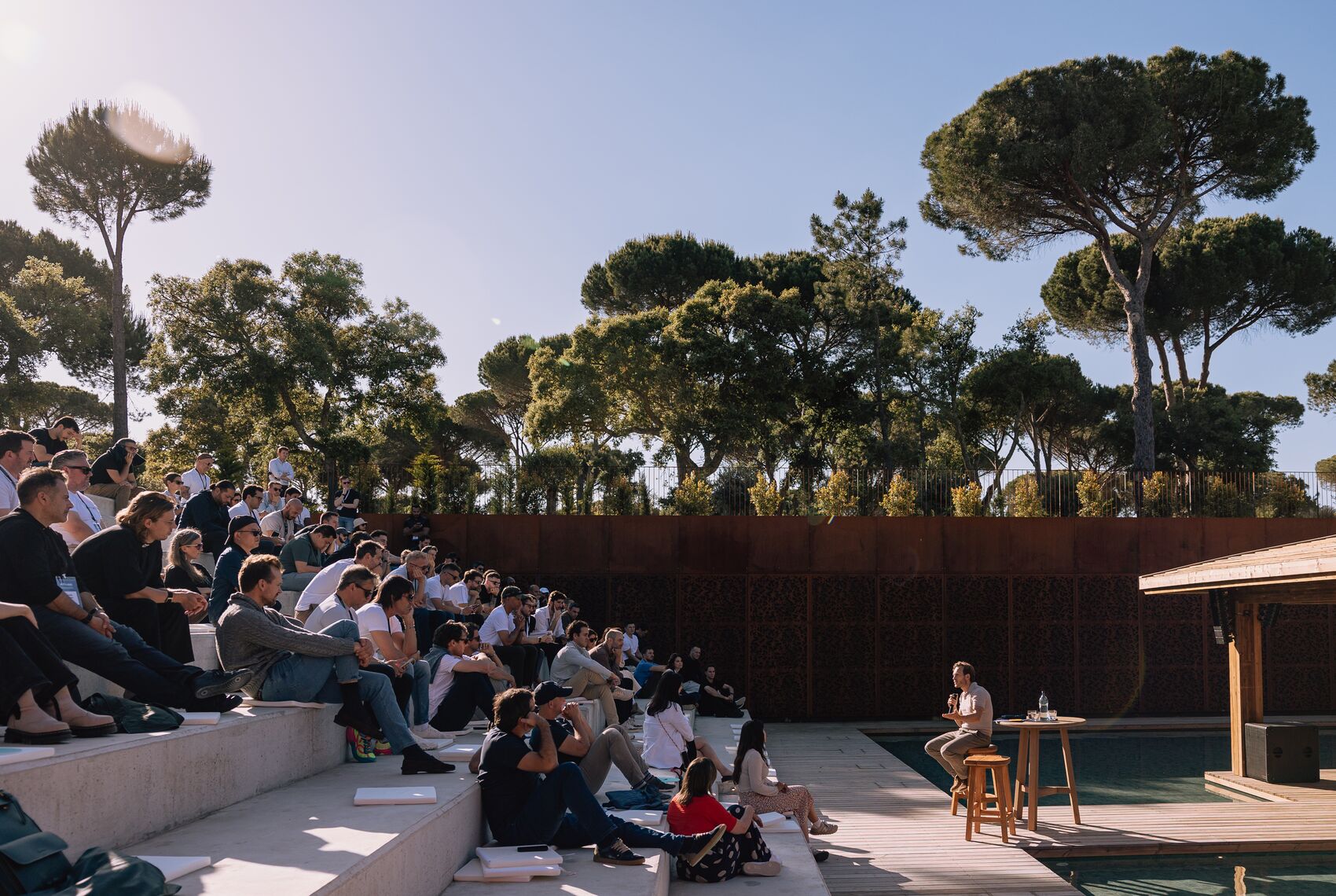
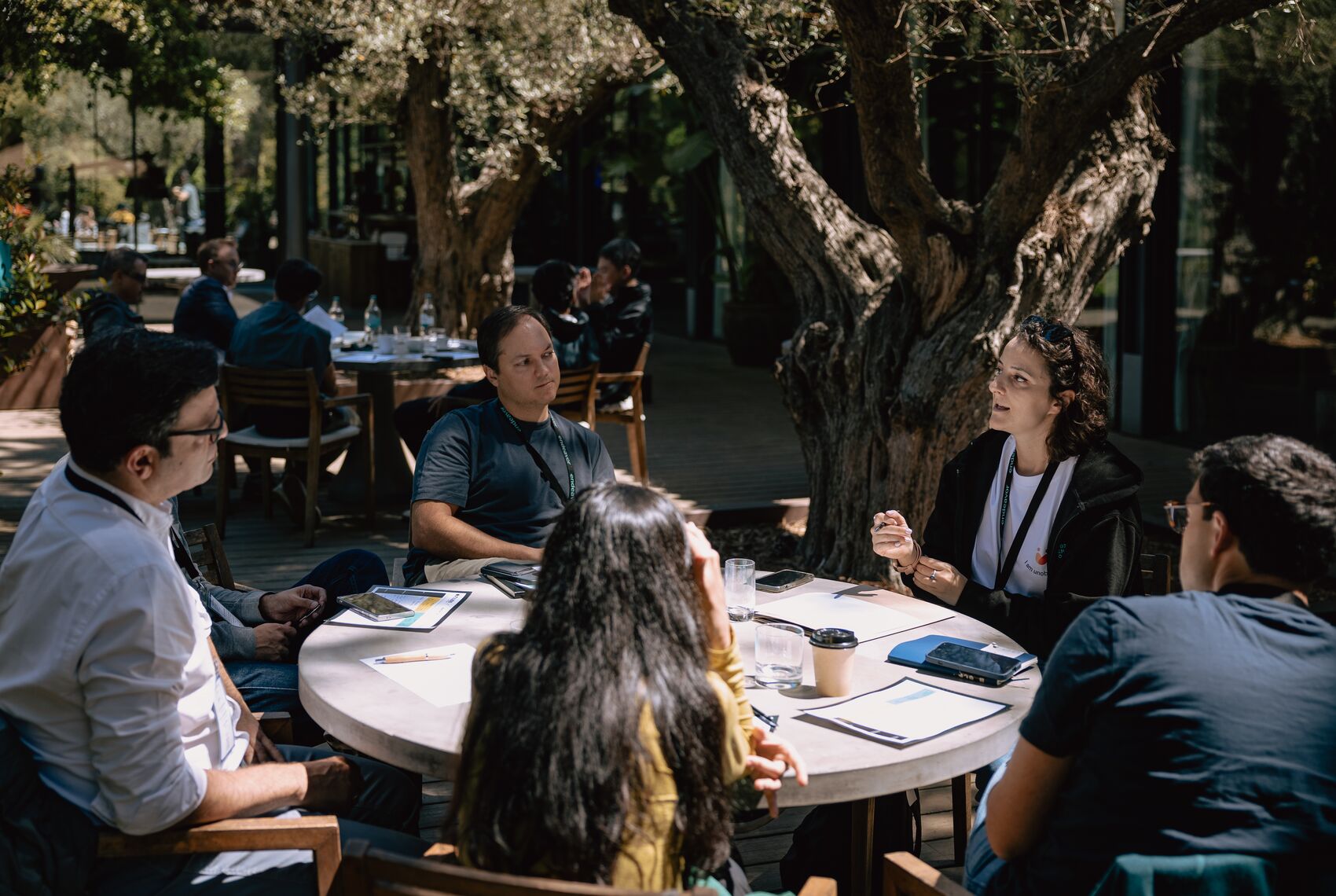
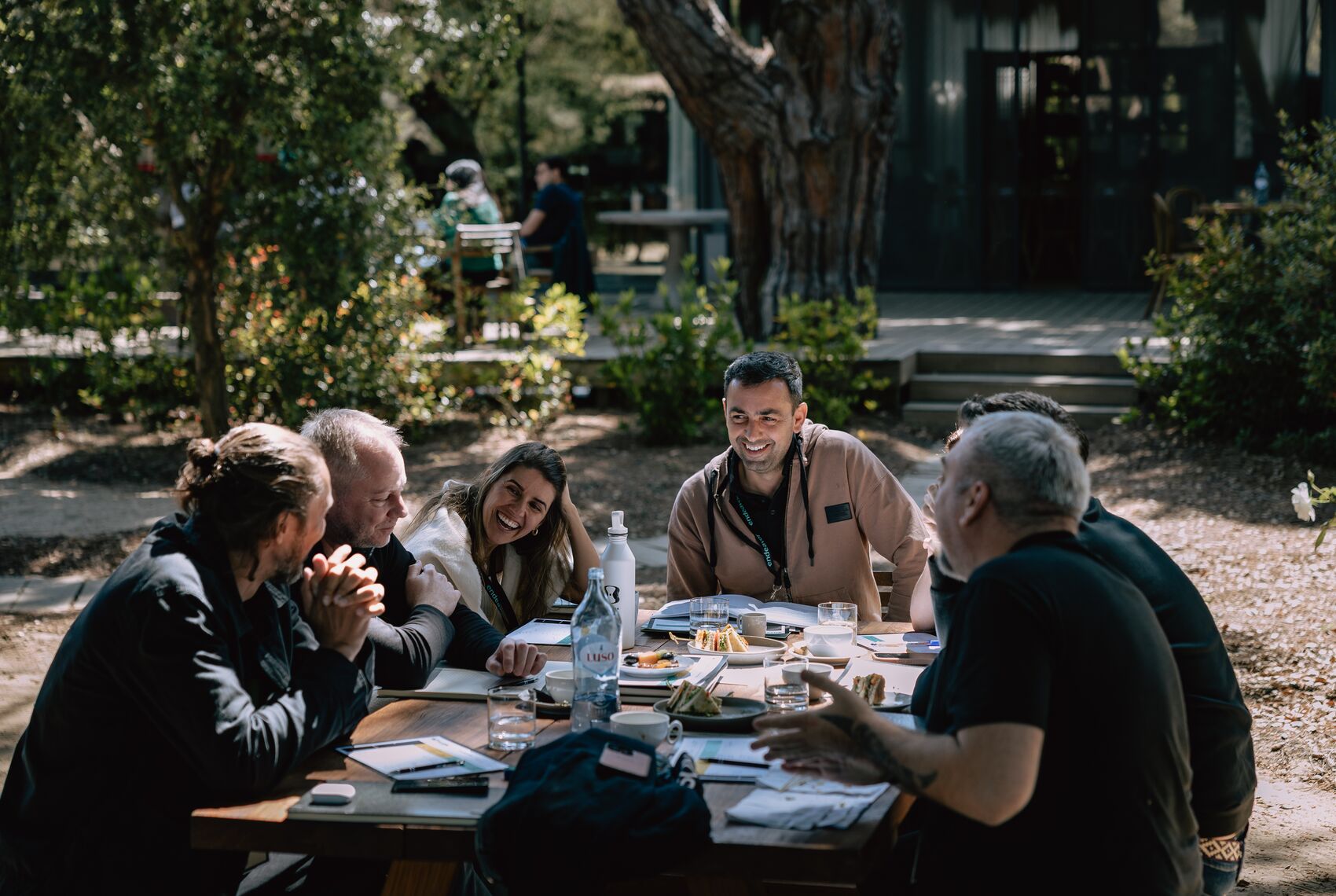
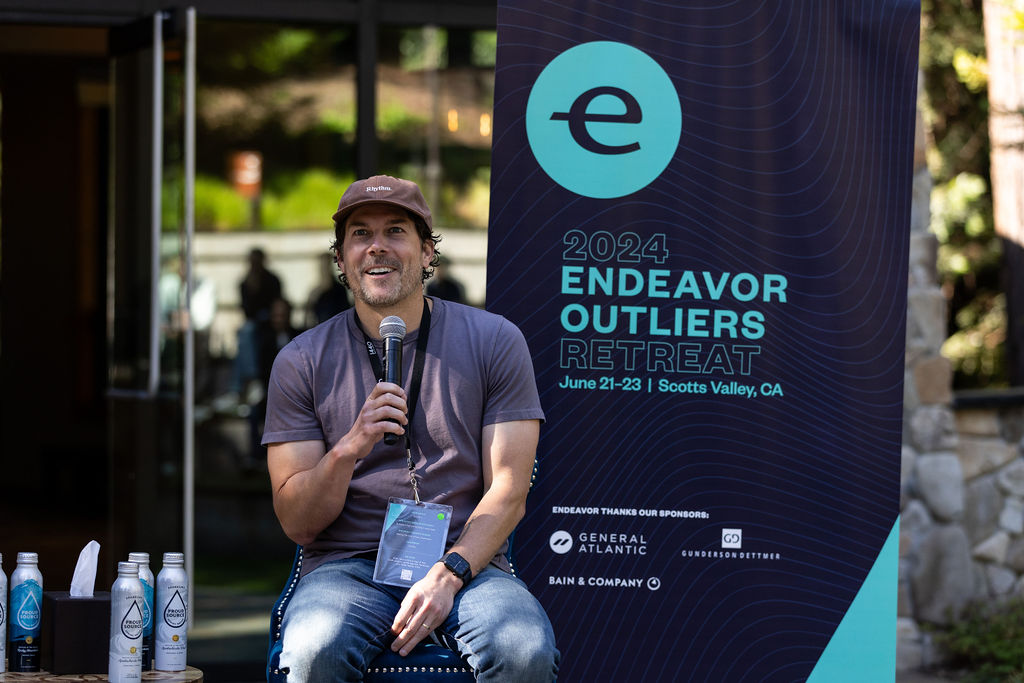
In May, we gathered the Endeavor Entrepreneurs leading the top-performing companies in our community in Comporta, Portugal, for our annual Outliers Retreat.
One of their first assignments was reflecting on exactly that: if I fall, who will catch me? How strong is the infrastructure that supports the person doing the building?
These questions became a framework for founders developed by Markus Bihler, our first Endeavor Entrepreneur in Residence (EEIR), and translated into a practical guide, which you can access below.
Markus is an investor and independent board director focused on companies at pivotal moments. He serves on the boards of listed and private companies and began his career in private equity at Blackstone and EQT, was twice a CEO, and has been an Endeavor Entrepreneur and part of Endeavor’s International Selection Panels since 2018. As EEIR, his mandate is board-effectiveness and governance for founder-led companies, including the human side of building under pressure.
If you’d rather put these reflections into work later, keep reading for an overview of Markus’s framework, and a few questions to make sure your infrastructure (and that of the entrepreneurs you support) is solid.
1. What does your support system look like today?
Each facet of your social life carries its own purposes and dynamics. You might confide in your friends and family for unfiltered emotional venting, but probably not in your LPs. You would go to a mentor for advice on leadership during a crisis, but you would communicate differently with the team working through that same crisis.
The Wheel of Support is an opportunity to check, subjectively, how supported you feel across a list of categories: spouse or partner, coach or therapist, board and advisors, mentors, friends, family, founder peer network, investors, co-founders, and team. Each one gets a score that reflects how much you can count on the people you have there in moments of stress and pain.
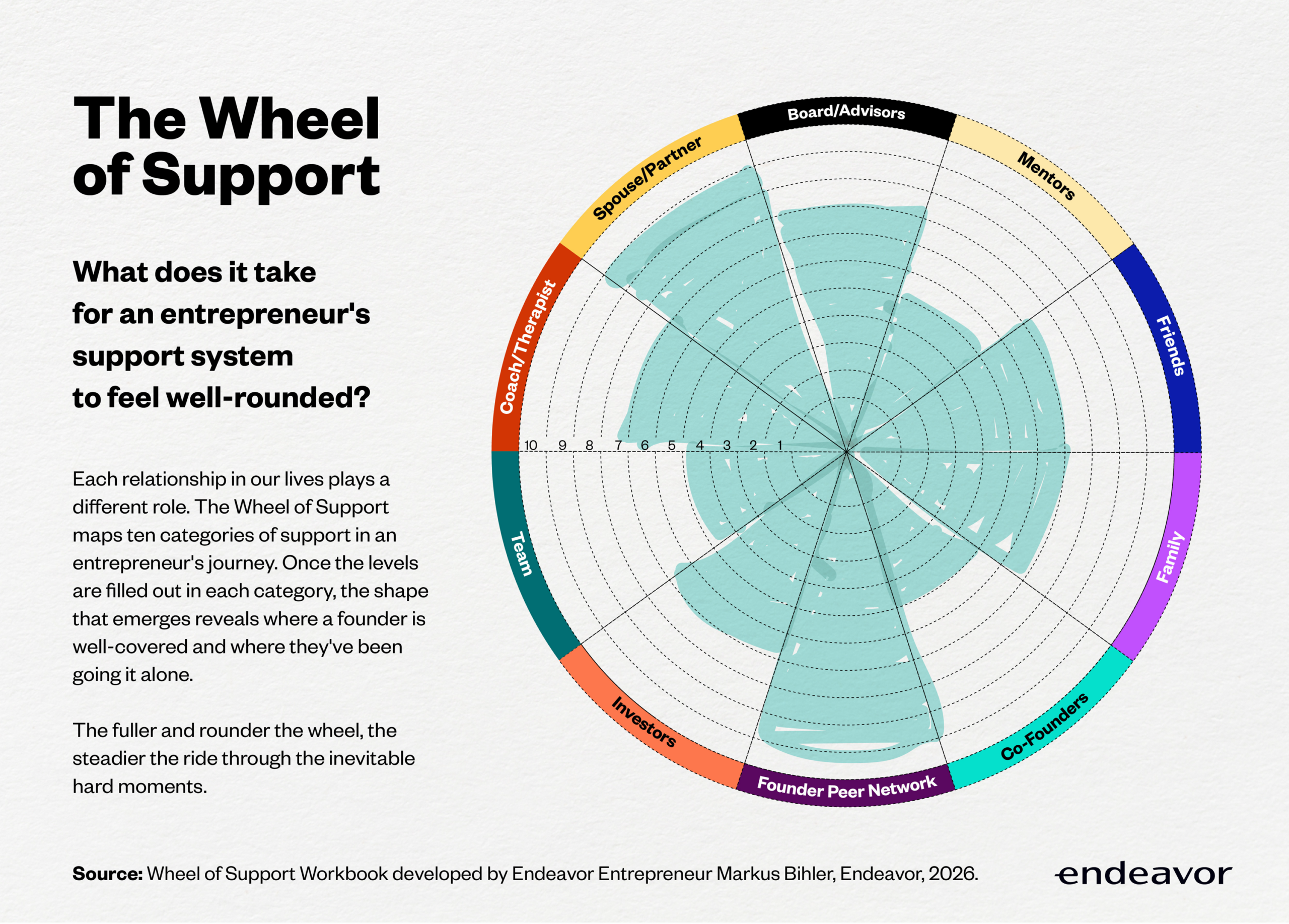
The wheel almost always comes back lopsided. But such a wheel doesn’t roll smoothly.
Building a support system requires proactivity and early investment. It typically takes three to five sessions for a therapist to become effective, or about six months for a board member to have real impact.
2. How strong is your network of trust?
What makes a good support system? According to Markus, it’s one that also exists for shadow, not just for show. That’s why he suggests a two-axis framework for pressure-testing it: Challenge versus support.
Someone high on support and low on challenge feels good to be around. They validate, encourage, they’re easy. They’re also not very useful when you’re heading in the wrong direction.
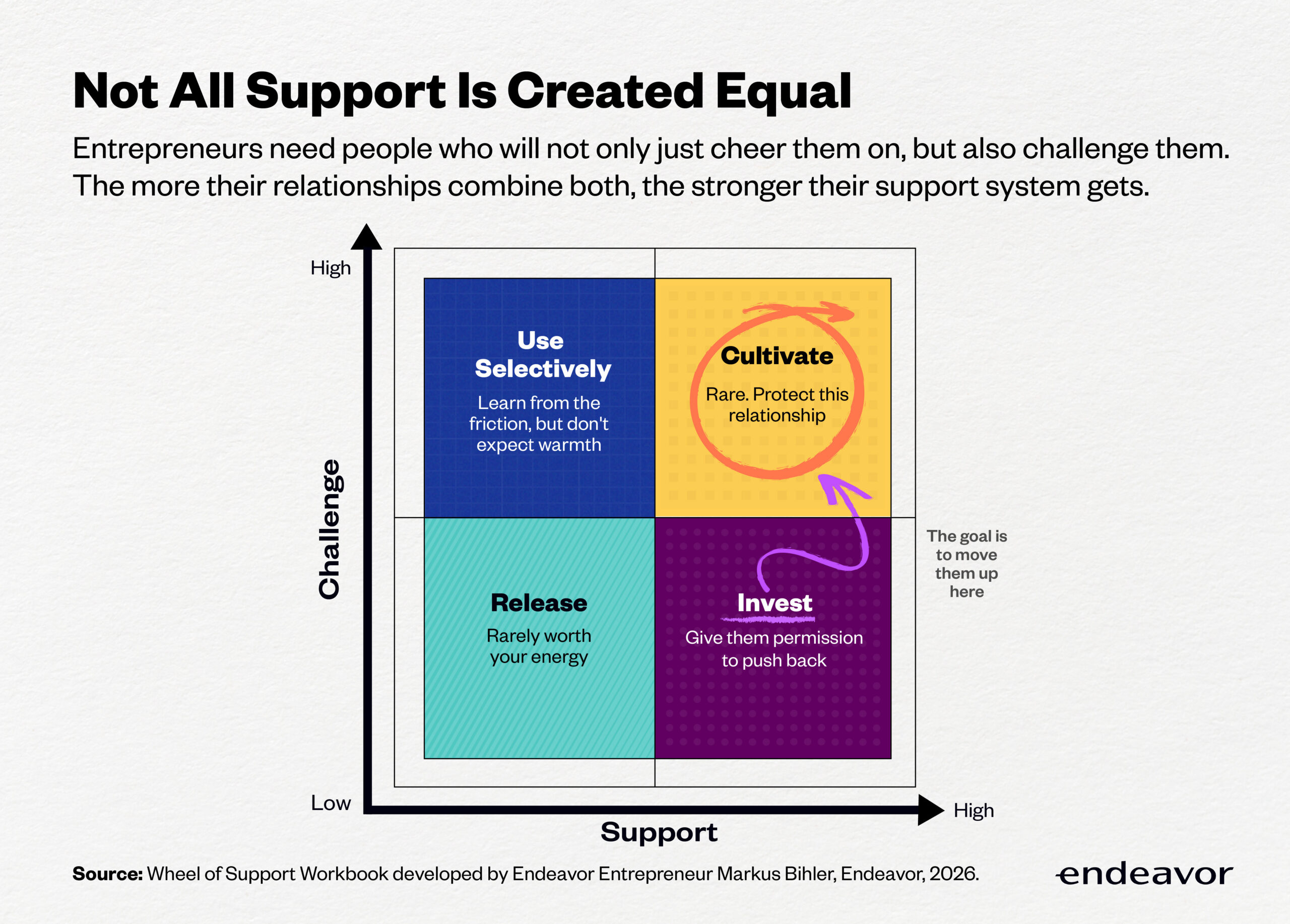
The rare person is high on both: someone who genuinely cares about you and will go where it hurts. Keep them close, and actively nurture those relationships.
Someone low on both — offering neither much warmth nor much challenge — is often not worth your energy.
That leaves the two quadrants you can actually develop, yet they are often not symmetrical: candor can be encouraged; care usually can’t.
Someone high on support but low on challenge tends to be your best investment. They already care — what’s often missing is permission. Tell them explicitly that you want the hard version, and make them feel safe the first time they give it. People in this quadrant are seldom holding back out of weakness; more often it’s politeness, waiting for a signal that hasn’t been sent. Which means this quadrant isn’t really about them. It’s about you.
Someone high on challenge but low on support is trickier — the friction can be useful, but care is hard to ask for. Use them specifically for the moments their sharpness helps.
That brings us to the last question.
3. Are you giving them the right tools to truly support you?
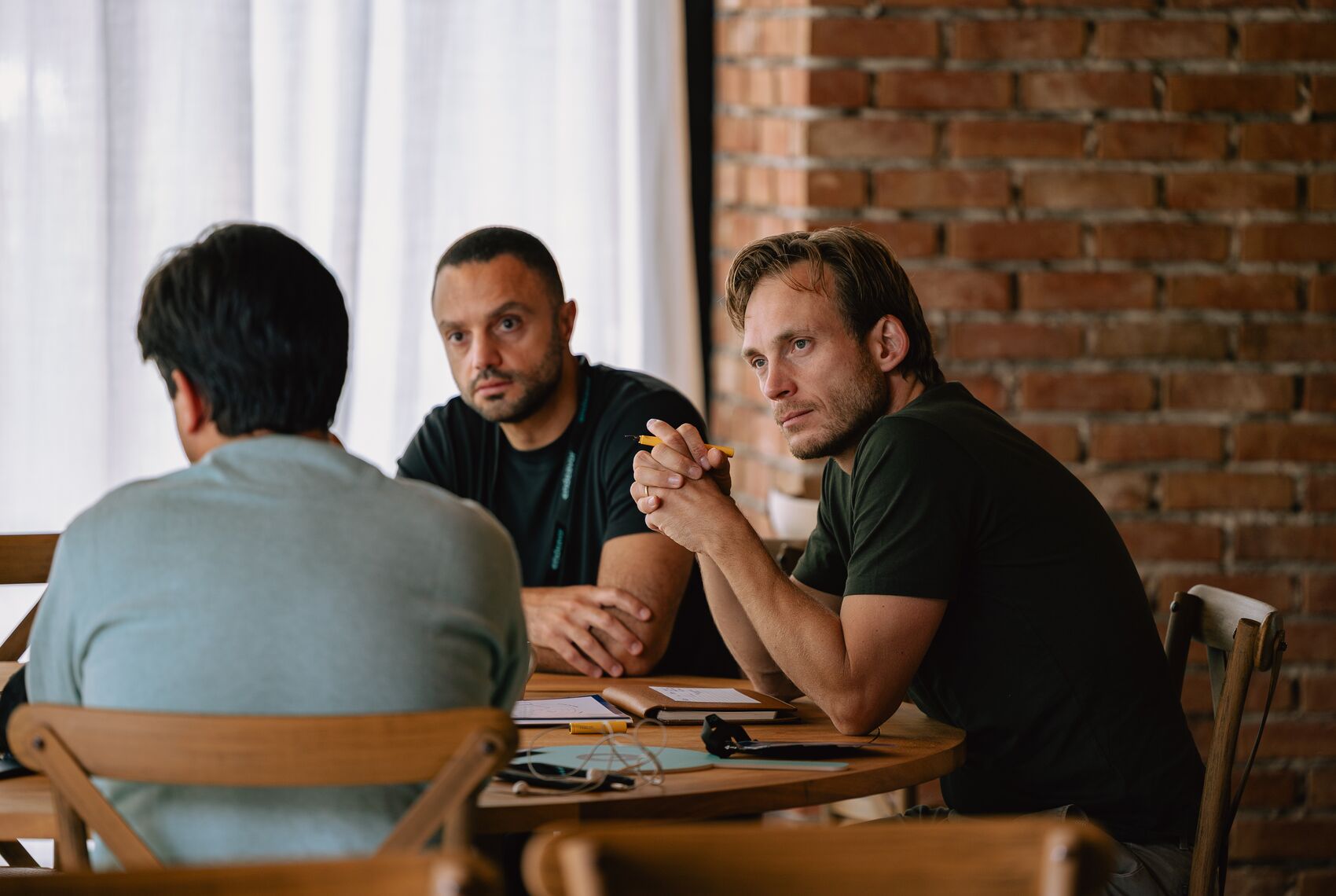
You can have the right people in your wheel and still get nothing out of them. Not because they’re holding back, but because you are. Markus divides the solution into two points of action: first, showing yourself fully; second, giving people permission to react honestly.
Show your support system only the curated version of you, and they can only ever support the curated version. Boards, as we saw, are the sharpest example. Entrepreneurs often complain that their board isn’t very useful, but “that’s just how boards are.”
The results can be different if only we allow ourselves to be uncomfortable. It requires encouraging the board to govern the founder, not just the company, and to point out what’s wrong with radical candor. The most useful board member is the one staffed for who you actually are, not the story you’re selling.
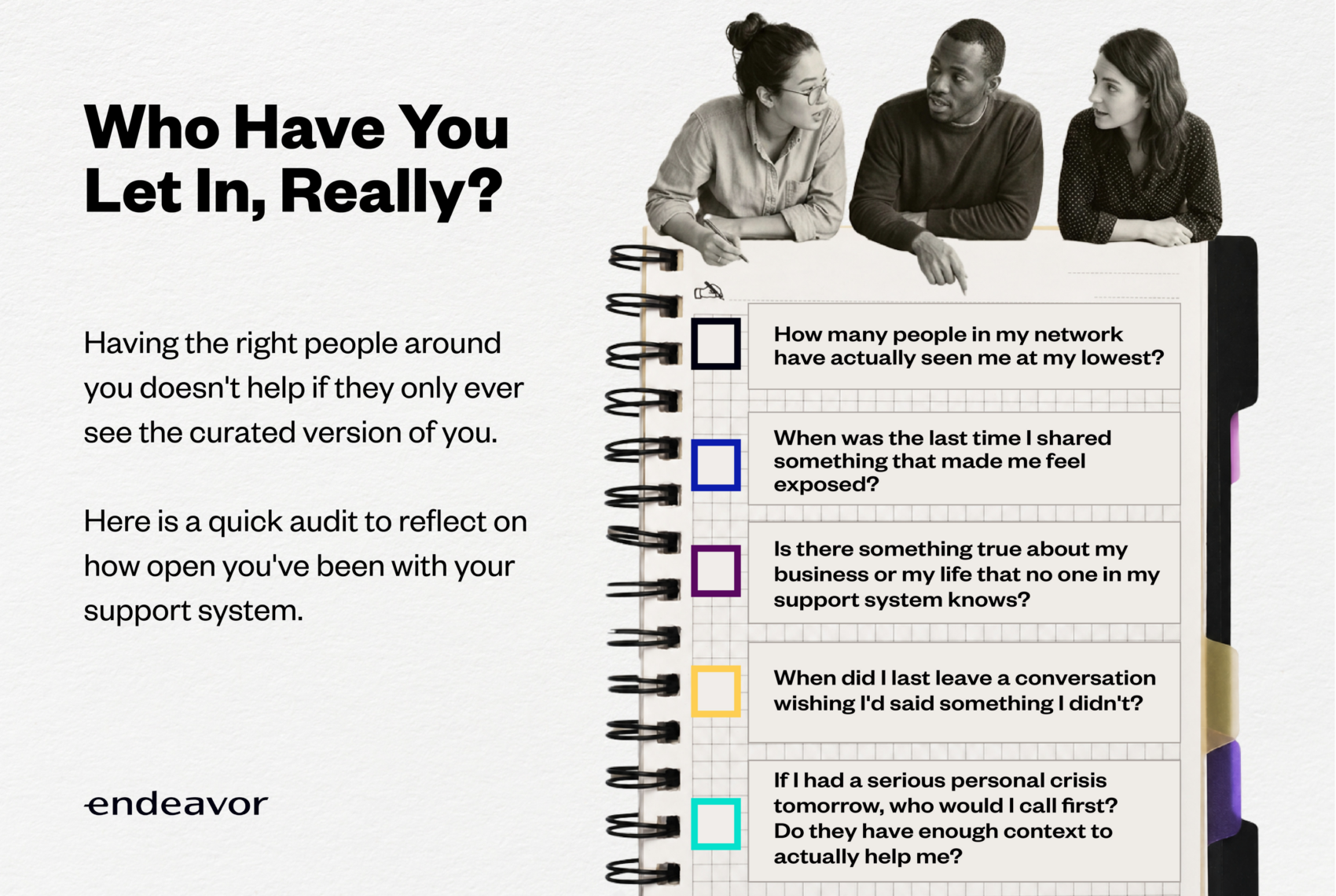
As Markus puts it, “Your investors sit on your board because they bought your story. Somewhere in the room, you need one person who didn’t.”
And if that feels uncomfortable, that's the point: "Build a board that your ego will want to fire."
When we shared this framework at the Outliers Retreat, some founders felt unsettled. A few pushed back: the wheel should be inverted, because they’re the support system for their families, teams, and communities, particularly those building through war and higher uncertainty.
They were right. When you are the infrastructure — for a family, a team, sometimes a whole community — the wheel does run in reverse, and the cost of your own collapse compounds with every person leaning on you. That’s not a counterargument to building support. It’s the strongest case for it.
For many high-performing founders, being truly supported is so rare that it barely registers as a possibility. And there’s no immediate cost to neglecting support systems, so they’re often the last priority. Until they’re the only thing that matters.
That’s precisely why it’s important to have spaces where it’s allowed, even expected, to break or to not have the answer. The builders who weather the hardest moments aren’t necessarily the most resilient. Sometimes, Markus told the group, they’re just the least alone — and the best governed. They have people who will care enough to tell them the hard thing while also protecting them.
That cuts both ways. If you’re in someone’s corner as a mentor, investor, board member, or friend, be empathetic and willing to go where it hurts. Connect them with people who will do the same.
Featured Stories
How these Brazilian scientists built Jennifer Aniston and Katy Perry’s favorite skincare brand

Meet Luca Ferrari, the Italian entrepreneur acquiring all your favorite companies
When the Best Way to Scale Is to Start Over: Why We Selected Polish AI Infrastructure Startup Genesys AI
Related Articles
How these Brazilian scientists built Jennifer Aniston and Katy Perry’s favorite skincare brand