The fintech unicorn that changed the face of success in Japan
Japan’s startup scene has stagnated for decades. Now, a fintech unicorn led by Yoshi Yokokawa is offering new visions of global success.
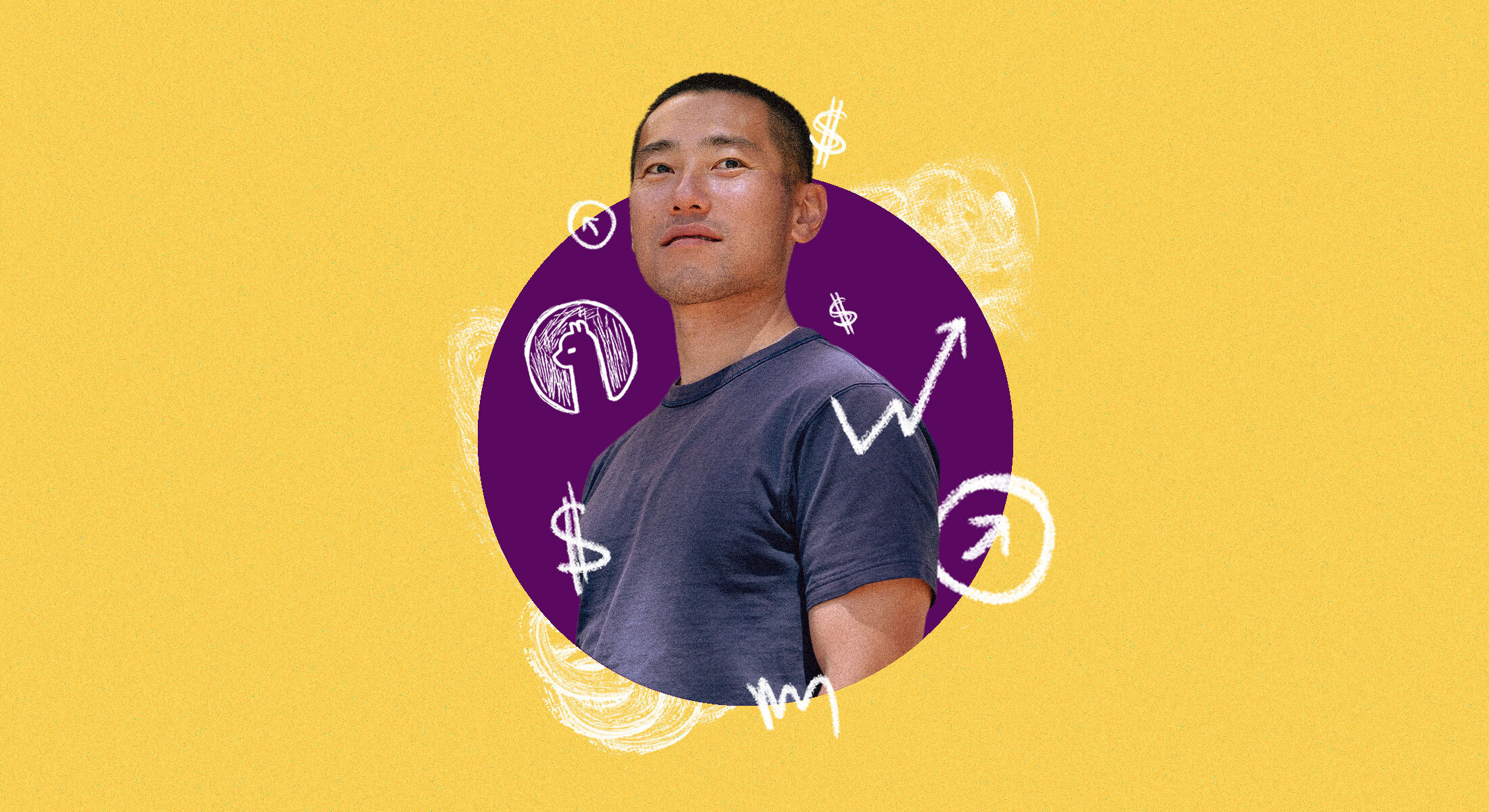
It was midnight in Cambridge, the UK, and Yoshi Yokokawa was still going strong. Earlier that day, a panel of experts unanimously voted to make him an Endeavor Entrepreneur, just one intense day in many for the co-founder and CEO of fintech Alpaca. Rina Otsuka, from Endeavor Japan, was concerned he got enough rest.
“I was like, ‘Yoshi, if you want to go home and sleep, it’s okay,’” Rina remembered. “And he was like, ‘No, I want to talk to this guy!’”
This guy was Vlad Yatsenko, the co-founder and CTO of fintech giant Revolut and an Endeavor Entrepreneur. Vlad had sat on Yoshi’s International Selection Panel (ISP), the first time Yoshi had ever met him: “I saw him the night before,” recalled Yoshi, “and there were a lot of people surrounding him. I was like, Who is this dude? Then I realized.”
Vlad’s outsized presence and expertise didn’t intimidate, but rather inspired Yoshi, especially when Vlad started to question Yoshi’s business. “He understands our industry extremely well. He throws sharp, hardcore questions. That was good. I’m used to speaking with investors, but it’s different to be speaking in detail and depth with people who are actually in the industry. And I think,” Yoshi added modestly, “he appreciated what we’re doing as well.”
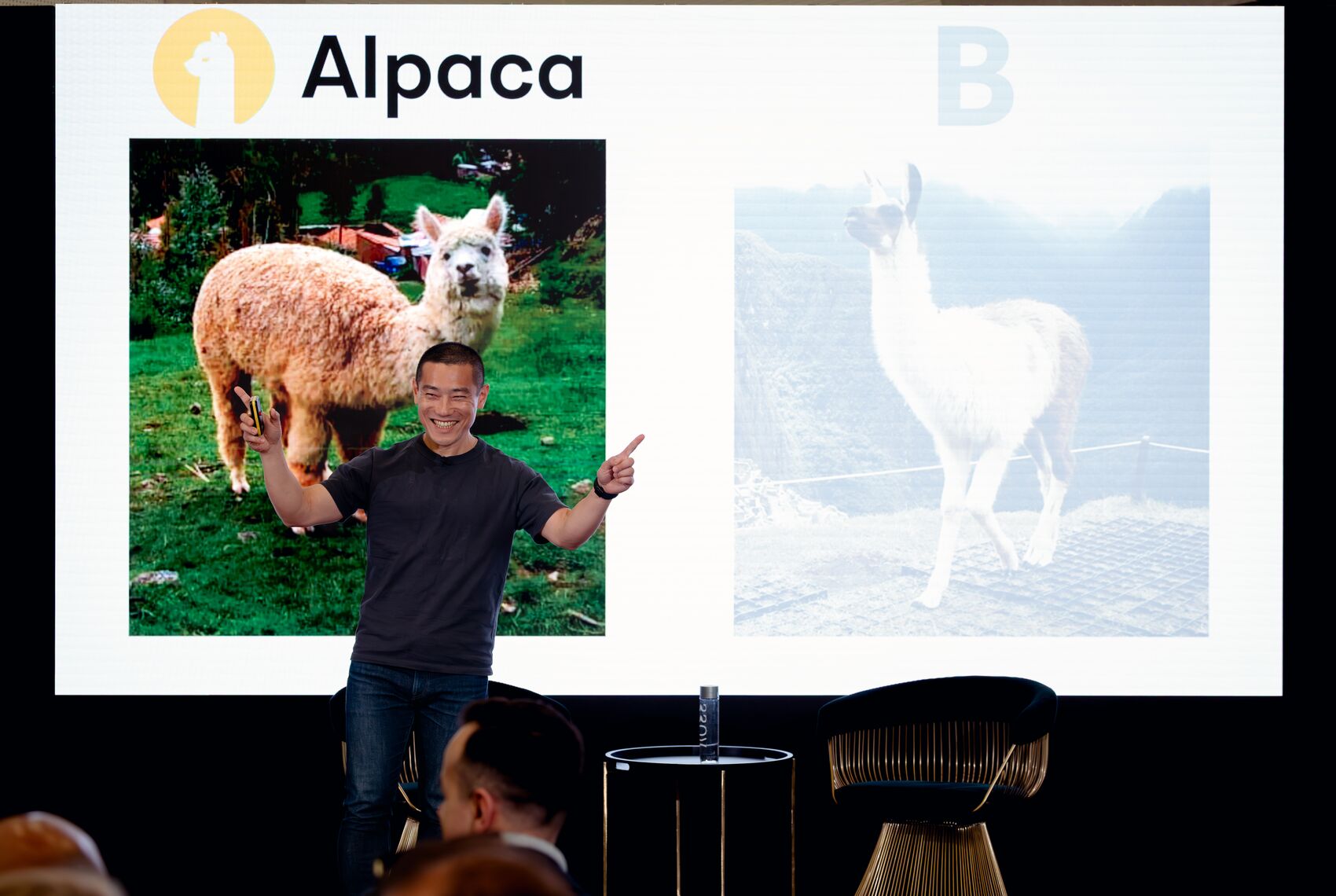
Yoshi was correct. Just three months after Yoshi’s ISP, Vlad became an angel investor in Alpaca’s $150M Series D, the same investment round that saw Alpaca become the first Japanese-founded unicorn in the US.
“Yoshi is Yoshi,” Rina said, smiling. “People really like his conversation, and then they want to work with him. Connection is kind of his superpower.”
Fintech built with an outsider’s eye
But let’s rewind. Yoshi Yokokawa was born in Osaka, Japan, but set his sights further afield from an early age, attending high school in the US as an exchange student. He continued his studies abroad before working at Lehman Brothers, but his regular visits home gave him a sense of disconnection and inequity — like when he put his name on the commission-free trading app Robinhood’s waitlist in the US. By the time Robinhood launched the service, Yoshi was back in Japan: “And I couldn’t install the app. It really frustrated me. Just because at that time I was not in the United States, I couldn’t get access to this beautiful financial services product.”
It reminded him of other services, like Spotify or Apple Music, which originally required a credit card with a US billing address for access.
That lack of access stayed with him as he reconnected with a university friend, Hitoshi Harada, Alpaca’s co-founder, CTO, and CPO. The two developed a series of products for retail traders to transition into algorithmic trading which were moderately successful under the Alpaca name, before launching, in 2021, the API product that made Alpaca into what it is today.
Alpaca enables developers and entrepreneurs to launch and scale products for trading assets, including stocks, bonds, crypto, and options. Its developer-first platform offers fintechs worldwide the ability to launch products or features, with clients including Midas, a Turkish stock trading platform, Bitso, a Mexican cryptocurrency platform, and Thndr, an Egyptian trading platform.
Today, Alpaca works with hundreds of financial institutions in 50 different countries, and has doubled their revenue year over year for three consecutive years. Headquartered in the US and heavily licensed as such, Alpaca is also licensed in five other countries and growing. Shortly after their $150M Series D in January 2026, Alpaca announced another funding round of $135M.
Alpaca’s success impresses anywhere, but especially considering its founders’ Japanese origin. Despite historical global success with companies like Sony, Honda, and Softbank, Japan’s entrepreneurial ecosystem has stumbled recently. Only six of the world’s current 1400 unicorns were born in Japan. A lack of late-stage capital paired with a tendency to IPO too early adds to the problem.
Rina illustrates the typical Japanese entrepreneurial path as one that almost inevitably leads to insularity: “If you build your startup for the Japanese market, it’s really difficult to adjust to other markets, because we have so many rules, regulations, and a unique culture,” she explained.
“So usually, companies would IPO in Japan and only then think about expanding their business globally… which means they have to completely change their business model. Often they decide not to go global.”
Alpaca bucked the trend for both American and Japanese startups, building in the US with an outsider’s approach, with licensed entities in the US, UK, Spain, Japan, the Bahamas, and India, and partners in 50 countries. The company thought global from day one.
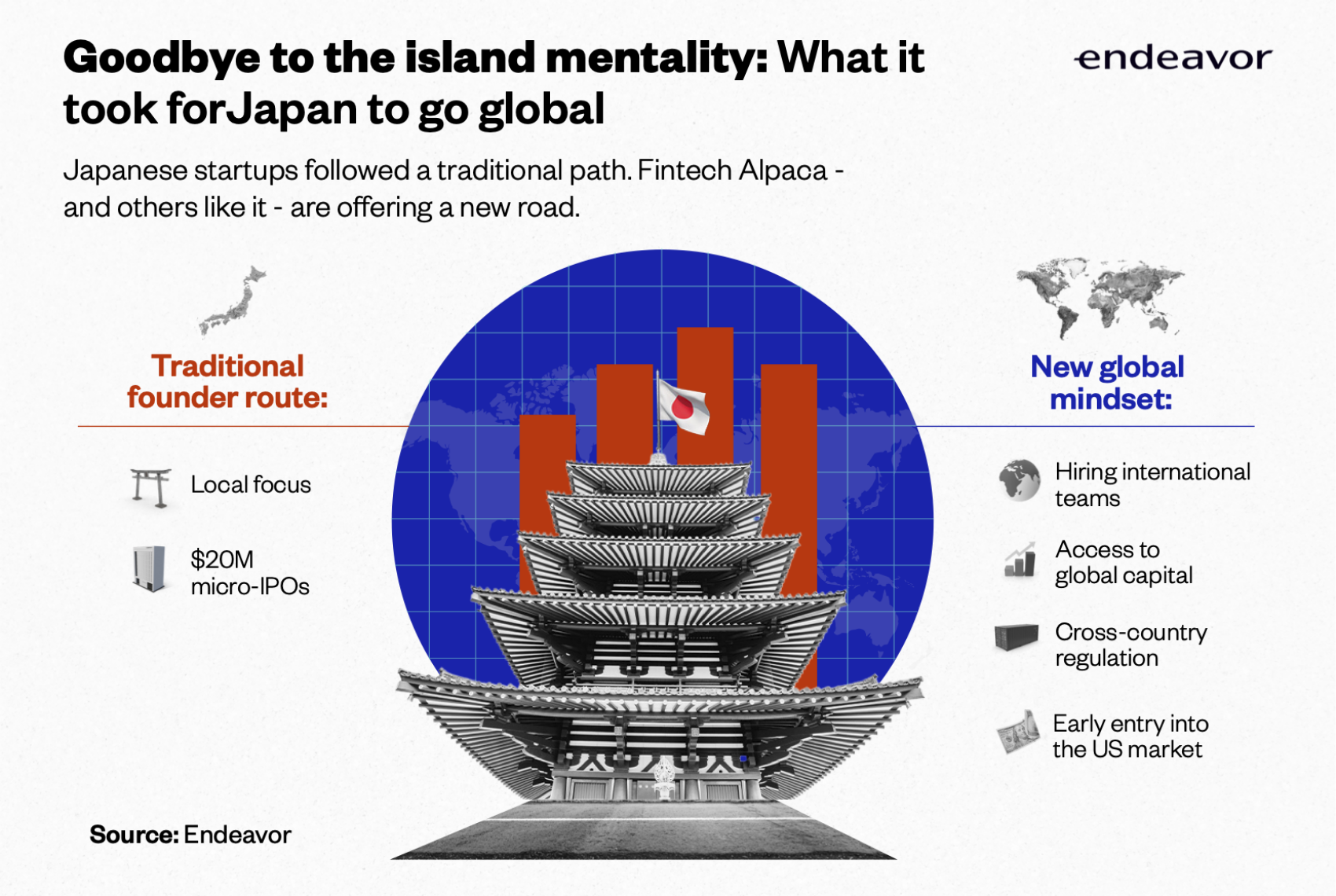
“There are so many companies already,” Yoshi mused. “If we are intentionally creating another one, we need a reason why we exist. And our mission is to open financial services to everyone on the planet. We chose those words very specifically and carefully. We use the word ‘open’; a lot of people in the fintech world use the word ‘democratize’, but we find that too narrow — that philosophy only works in certain countries.”
"There are 8.5 billion people and not all of them live in democracies. We’re thinking about access that’s not only for Americans, not only for the Japanese, but for the human race on this Planet Earth. And if we migrate to other planets, it’s going to include all those people, too.”
A network for people on Planet Earth
With such a determined focus on global vision, it didn’t take long for Yoshi and Endeavor to cross paths. “I started hearing about Endeavor a few years ago from multiple people, when we were first expanding our business into Latin America, the Middle East, Central Asia,” Yoshi said. “Multiple people told me that Endeavor is like a Y Combinator — which we also went through — for late-stage companies. And then I got the keyword, ‘and it’s extremely globally diversified’. I also knew a founder in Canada who tried to join Endeavor; the first time he didn’t make it through the selection process and honestly, that sparked my interest even more. I was like, Okay, interesting. It’s exclusive, it’s prestigious.”
In 2024, Yoshi attended Endeavor’s Fintech Forward event in Saudi Arabia, which featured an industry tour he couldn’t participate in as it was only for Endeavor Entrepreneurs: the final straw. He reached out to Rina from Endeavor Japan, who was excited to hear from him, after having tried unsuccessfully to make contact with Alpaca a year earlier, when the company was going through some organizational changes.
Through the initial application process to the final selection stage, Yoshi and the Endeavor team found countless points of connection.
“From the biz dev perspective, Endeavor is an amazing network,” Yoshi said. “Latin America, South East Asia, Europe, Africa: These are places that you can’t really get into unless you’re inside the network. Many founders and entrepreneurs are born in pretty privileged families and situations, and I don’t come from that background, so having this network really allows us to have the high level, top-down networking opportunities. That’s a big thing.”
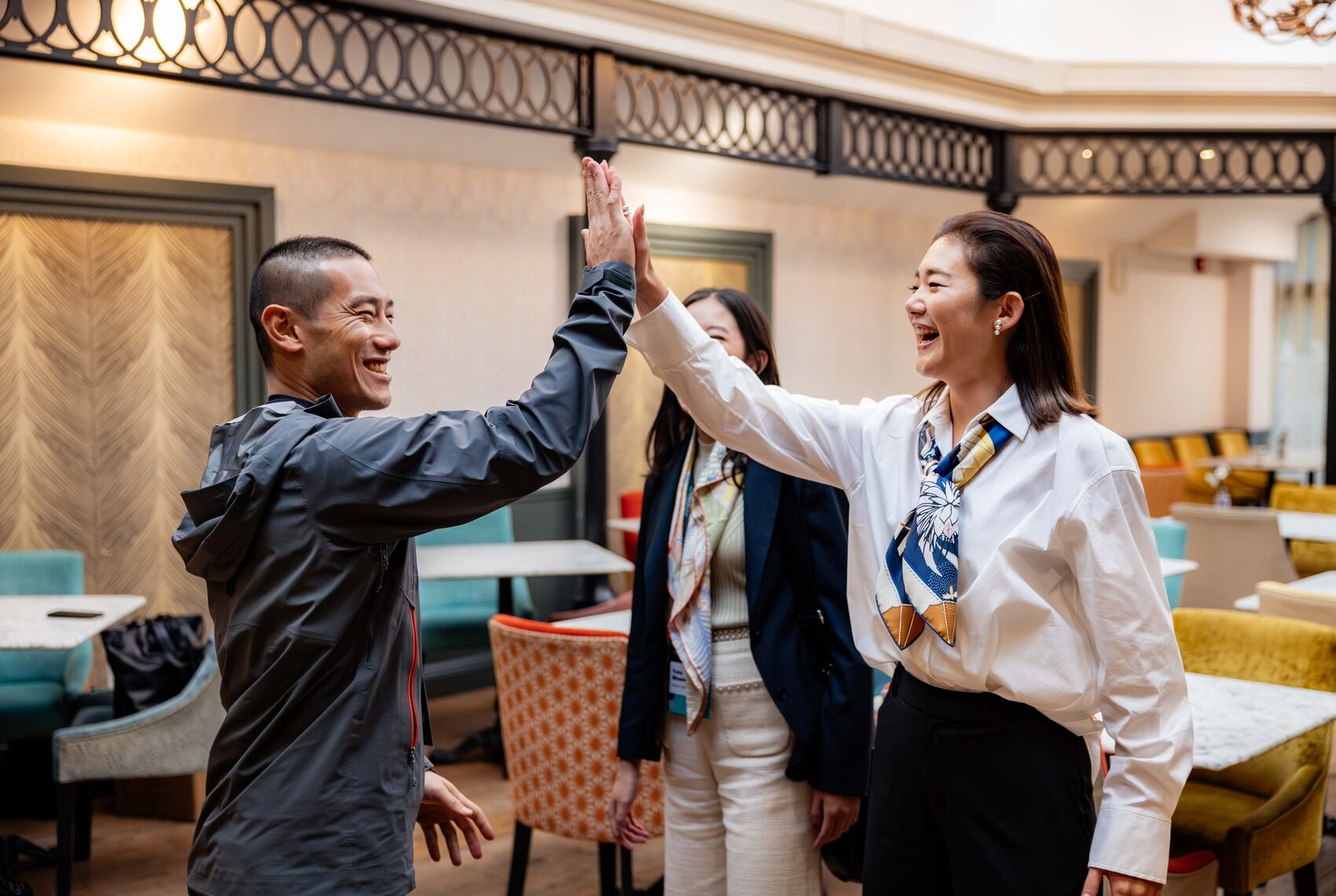
Rina agreed, pointing to the VC introductions — like Vlad — that Endeavor facilitates, as well as the network’s ability to help Alpaca’s global expansion into new regions. But Yoshi is notable for another reason: “He joins every single Endeavor event,” said Rina. “He went to the Outliers Retreat. He’s going to the Next Generation retreat in Spain with his kids and wife.”
The Outlier Retreat — Endeavor’s invite-only gathering for the top-performing companies in our portfolio — made an impression on Yoshi, too.
“It was like group therapy,” he said, pointing to the small group sessions of successful founders. “We’re all at a similar stage — we’re not just grinding and trying to survive anymore, we have good product market fit, we’re growing, we’re pretty comfortable with assets. And so we start thinking, why are we doing this? What are we here for? Sharing those feelings, without feeling defensive, with founders from multiple cultural backgrounds, is extremely valuable. It creates friendships. Even though we grew up in completely different cultures, the experience of being a founder and going through the same pains creates so much similarity.”

A framework for the future
Alpaca is the kind of company that embodies Endeavor’s Multiplier Effect™ — where founders boost their ecosystems by developing future generations of entrepreneurs — in its product alone. By enabling fintechs around the world, including the Endeavor companies from Türkiye, Mexico, and Egypt mentioned earlier, to build new thriving companies in their own ecosystems, Alpaca brings success Elsewhere into fresh focus. In Japan, the entrepreneurial scene is also shifting, partly as a result of Alpaca’s influence.
“Before they reached unicorn status, not many people in Japan knew about Alpaca,” Rina said. “Our board members knew. The other Japanese Endeavor Entrepreneurs knew. But it was only when Alpaca became a unicorn that suddenly the Japanese entrepreneurial scene at large started paying attention. And now I have many more pipeline candidates, influenced by Alpaca, who have their headquarters in the US.”
That’s a start. But building a thriving ecosystem in Japan itself — one that looks beyond small IPOs and regional success to global prominence — is a key part of the journey for Rina, Yoshi, and Japan as a whole. The first signs are there, with companies like Sakana AI and Araya hiring majority international teams and pitching in English from the seed round.
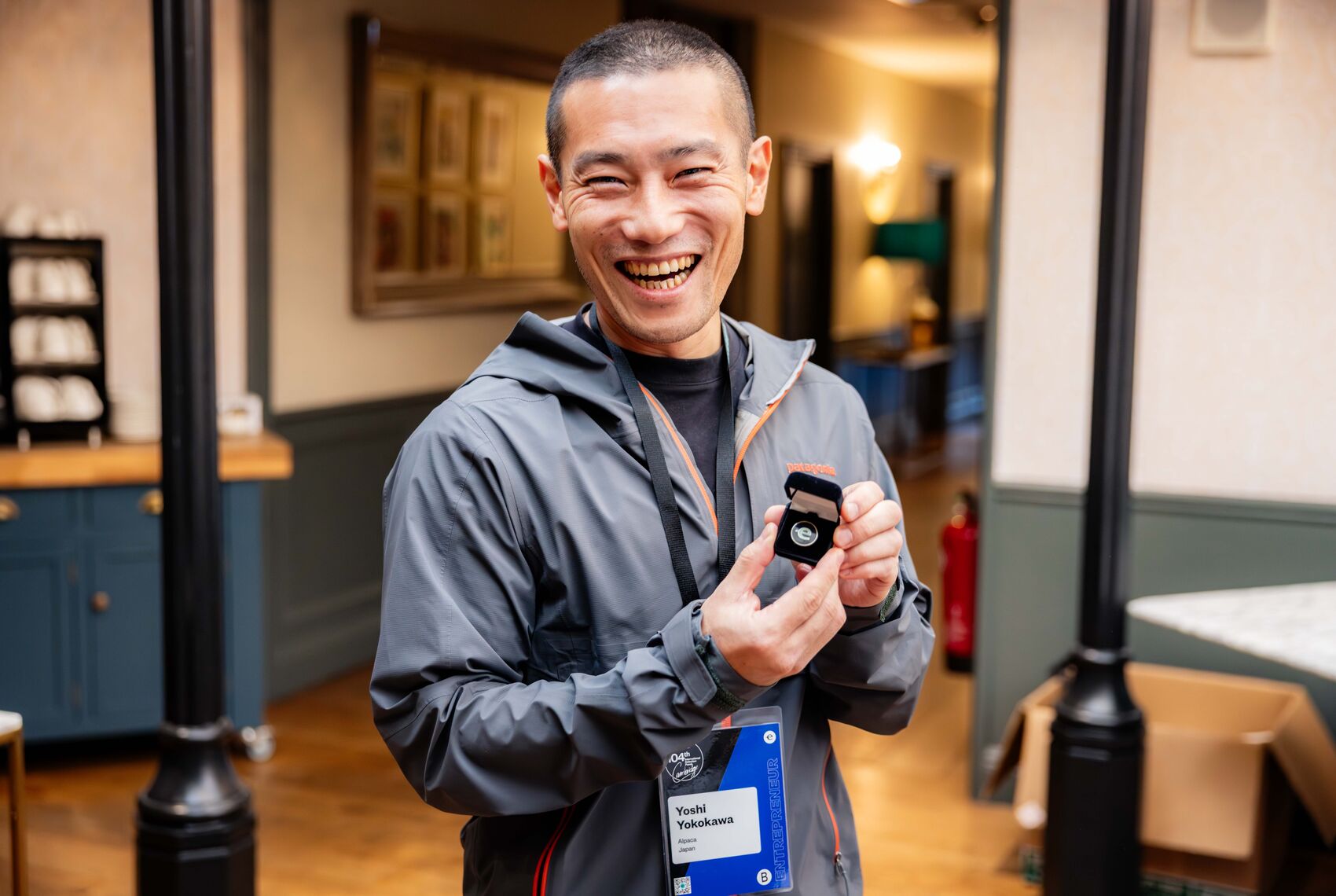
“Alpaca is bringing value back into the Japanese ecosystem,” said Rina. “Yoshi and Hitoshi can share practical knowledge about entering the US market, raising capital from global investors, hiring international teams, and navigating regulation across countries. This creates a playbook that other Japanese founders can learn from. But more broadly, Alpaca changes the perception of what a Japanese founder can achieve. Its success encourages founders to think globally earlier, gives international investors greater confidence in Japanese entrepreneurs, and creates stronger connections between Japan and global markets.”
“My mindset is always, how can I contribute to the ancestors that brought me here? I feel there’s a payback requirement that I have to do,” said Yoshi. “It’s an obligation. That’s why I like to go to high schools to share my experience.”
He paused, considering, then said, “I’m really amazed by how Estonia does it. You have Wise, founded by Taavet Hinrikus, who was one of Skype’s first employees, and then Taavet invested in Bolt, and then in one of the biggest fintech companies, Lightyear. Estonia created this playbook, where you reinvest in the next generation of venture-backed companies, and you can get tax-free benefits — there’s an incentive there. There’s a framework. Japan doesn’t have that yet. But if something does happen, I hope to be part of it.”
Featured Stories
Seventeen credit cards rejected this Nigerian founder. That was just the beginning.

How these Brazilian scientists built Jennifer Aniston and Katy Perry’s favorite skincare brand

Is your support system built for the shadow or the show?

Meet Luca Ferrari, the Italian entrepreneur acquiring all your favorite companies

Related Articles
Seventeen credit cards rejected this Nigerian founder. That was just the beginning.
How these Brazilian scientists built Jennifer Aniston and Katy Perry’s favorite skincare brand