Postcards from Elsewhere: Mexico City
Every month, we check in with Endeavor’s leaders in some of the world's fastest-growing markets to show you what’s really happening on the ground.

I had a long call with Carlos García Ottati, the founder of Mexico’s first unicorn, used car platform Kavak, last week. We talked about family, business, Mexico — everything. He said, “Do you remember 10 years ago, when I started Kavak? I had to build infrastructure, I had to build my own [software], I had to build my own in-store capacity to sell cars. I had to build everything around the idea. I had 300 people in my company working not on the core of the business, but on the infrastructure around it.”
I remember this period, too. Back in 2011, I met two founders who were writing code to geolocalize taxis in Mexico City, pre-Uber, pre-Cabify, pre-everything. They launched the product, they had the solution, but they didn’t have venture capital, talent, smartphone adoption, or trust, so the company never met the idea’s potential. They were simply too early for the market. What happened in Mexico over the next 15 years is that the tech arrived, the talent arrived, and the infrastructure arrived — and that has changed everything for entrepreneurs building today. As Carlos said, “People can build straight to the solution.”
Mexico had a defining, almost unbelievable year in 2021. VCs invested the same amount of capital in Mexico in that one year as they had in the full 10 years leading up to it. We had a burst of unicorns: Kavak in October 2020, Bitso in May 2021, and Clip in June 2021. On Endeavor’s internal Slack, I announced a new mega round, a new unicorn every month. There was a huge amount of growth. But after the party came the hangover.
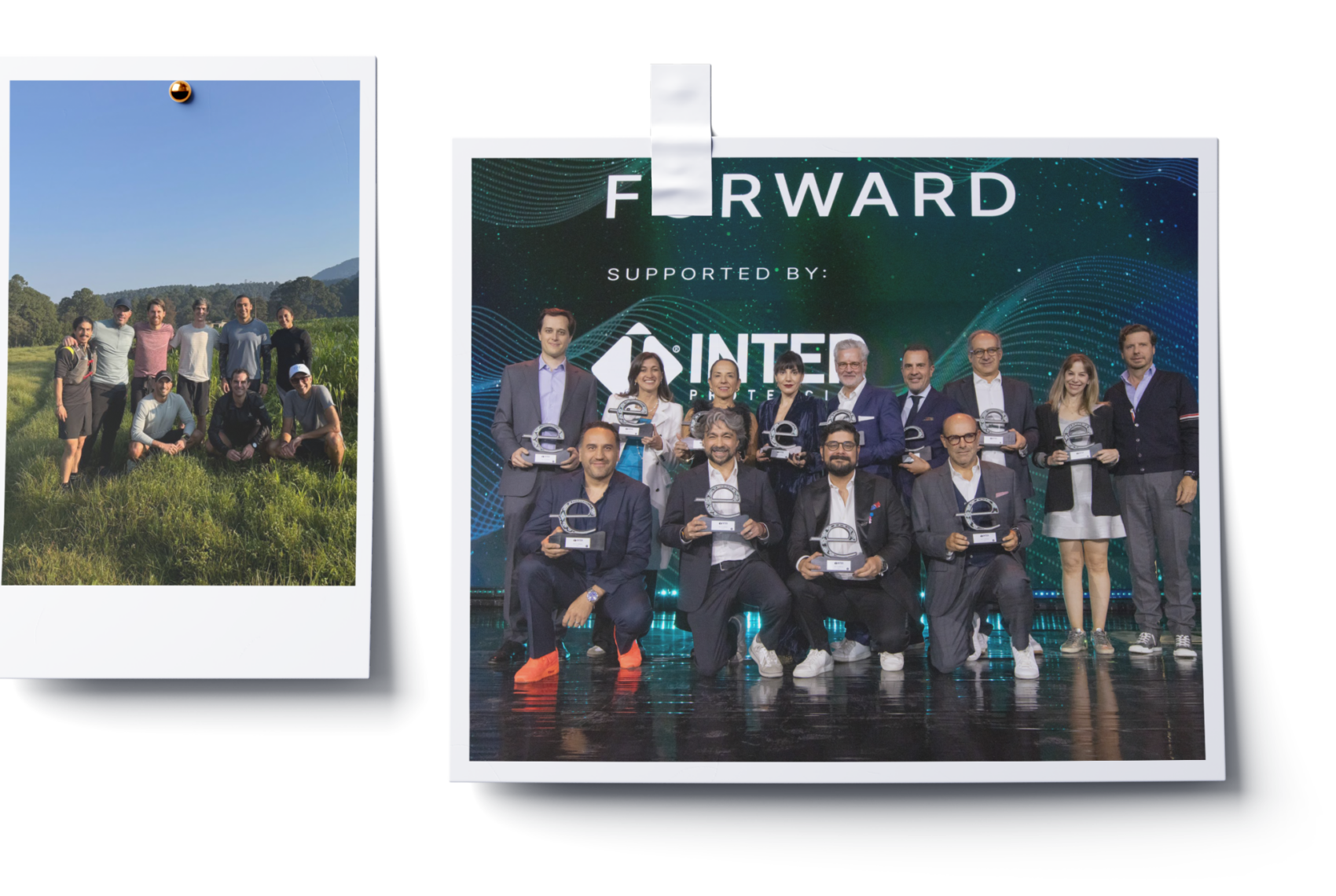
The hangover was stronger than the party, and it continued until last year. We saw massive layoffs. Employees left companies disappointed by the gap between the vision and the reality they had been promised. Companies that had expanded globally had to shut down those operations. Companies that had been branded as soon-icorns or had raised large rounds struggled to sustain their models. And the media itself turned on the ecosystem: when things were up, the applause had been loud. But when things slowed down, the boos were even louder. That had a real impact on founders’ mental health.
Because of those times, I have more gray hair! But I now share something with entrepreneurs: I’m still a chronic optimist. Even that difficult time had a lot to teach us. And now I’m seeing two types of founders who are changing things for the better in Mexico, in what is now a more mature and disciplined phase of the ecosystem.
The first type are those who are starting a business today, with all the experience from the past — from investors, from other founders, and from the team here at Endeavor — to help guide them. We can help them avoid repeating the same mistakes. I’m seeing broad categories for new companies: companies like Yalo and Desteia solving problems with AI; new trends in sport and in media, like Idilio TV, a micro-drama platform led by an amazing entrepreneur, Gabriela Tafur; and industries that matter — climate, water, education, and health — looking for tech-based solutions. That makes me very optimistic.
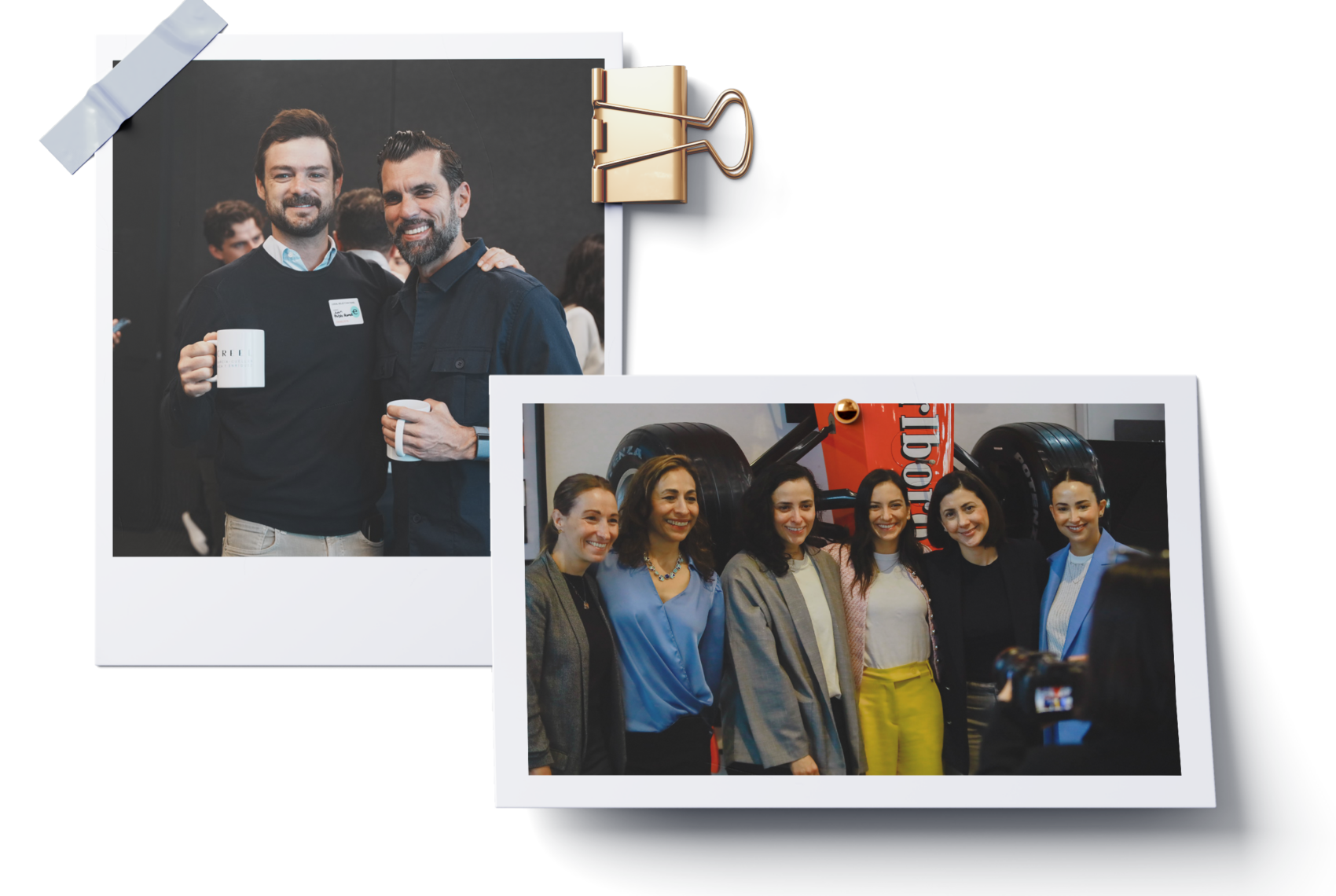
The other type of entrepreneur I’m seeing in 2026 are the founders who survived these crazy years. They made mistakes, but they corrected quickly, made hard decisions, revamped their companies, dealt with down rounds, and pivoted their entire organizations toward profitability. As a result, they survived into a more mature market, with AI adoption as a new tailwind. These founders are now entering their next phase of growth. I’m convinced that by 2027, the Endeavor MD Slack will be constantly pinging again with “This company has an IPO, this company has a meaningful M&A.”
It’s a great lesson to the world: it’s not four years, it’s not three years — you need decades to build something meaningful. Silicon Valley has five decades of technology and entrepreneurship behind it; Mexico has just over one. We’ve moved fast and we’re doing great things, but success is not linear. It requires patience and resilience.
Maps from Elsewhere
Mexico City’s startup scene doesn’t live in boardrooms. It happens over coffee between investor meetings, inside coworking spaces packed with tech teams, and at events where founders feel part of a community.
Our Mexican team put together the map below, highlighting the places where the ecosystem actually comes to life, where entrepreneurs, investors, and builders cross paths, exchange ideas, and start the conversations that later become part of Mexico’s startup lore.
Click here to explore the map.
Featured Stories
Unicorns aren’t the end of an ecosystem’s success. They’re the beginning.


Beyond Skyscrapers: What’s Really Powering Entrepreneurial Innovation in Dubai

Japanese entrepreneurs are leveling up: Endeavor CEO Linda Rottenberg explains how

The Collapse That Forced Proptech’s Boldest Founders to Reinvent Everything

Related Articles
Unicorns aren’t the end of an ecosystem’s success. They’re the beginning.
Beyond Skyscrapers: What’s Really Powering Entrepreneurial Innovation in Dubai