The Meeting I Should Have Missed
Julia Regan built RxLightning to remove the friction between patients and the life-saving specialty medications they need. A self-described workaholic, she found herself pushing harder than ever during a major fundraise, just as her family needed her
It is a big meeting. I’m in the office preparing. Suddenly, my 10-year-old daughter barges in through the front door, just home from school. She seems distressed.
She goes into the kitchen, and I follow her. She’s pacing, talking a mile a minute. It’s about bullying, a problem I’m aware of, but I can’t quite understand her words. She reaches for the knife block. I don’t know what she plans to do, but my instinct is to grab her hand. She lets go of the knife, and cries.
I take her to another room, then look at my watch. Only 15 minutes left until the meeting. I talk to her as I call my best friend and executive assistant, who rushes to the house. Five minutes left. My friend sits with us and helps calm my daughter down. Three minutes. “She’s in good hands,” I think, so I go back into the office. Two minutes. I force a smile, as if nothing just happened. One minute. I open Zoom. It is a big meeting.
I’d been talking to potential investors back to back to raise our Series A and, as I saw it, there was no margin for error. Besides, if I rescheduled that meeting, I was left with two options: explain what happened and sound like my life was too unstable to run a business; or not explain and run the risk of them thinking I was making excuses and disrespecting their time. I didn’t choose to take it because I didn’t care about my daughter’s struggle, but because I feared that vulnerability would make investors question my leadership.
As I retell this story, I don’t remember who the investor was in that big meeting. I do remember, however, everything that came after. Hiding all sharp objects. Sleeping on the couch with my daughter, holding her tight, afraid that she would hurt herself. Seeing my friend, someone I loved and trusted, furious at me for prioritizing the call, not understanding how I could walk away from my daughter in that moment.
And I remember the guilt, of course. It stayed with me for quite some time and I'm not convinced it ever fully left.
The next day, I took my daughter to a mental health clinic, where she stayed for a week. Shortly after that, she had a second crisis and was hospitalized again. Through it all, I continued doing what I was doing well: work. I was still traveling, fundraising, and showing up as a CEO as if everything were fine. Only in hindsight do I understand how deeply I was compartmentalizing everything. Personally, I was falling apart: My daughter is only 10 and she’s struggling. Why can’t I help her? Would she be feeling this way if I had done things differently?
Despite going through intensive outpatient therapy, my daughter still wasn’t getting the help she needed. I made a last-minute decision to move her to Pennsylvania, where her father lives, and sign her up for one of the best mental health programs in the country. It was an eleven-hour drive. I packed up all of her things, and sent her off that night. I left my younger son playing in the living room and had a cry in bed.
I went from seeing my daughter every day to barely speaking with her. I felt her absence deeply. I resented and pulled away from everyone around me except my son. I leaned especially hard into being there for him, partly because I was terrified that I had somehow failed my daughter and couldn’t bear to feel that I was failing him, too. When the news of our Series A round came out, people would congratulate me, this accomplished healthcare CEO who had just raised $17.5M. Meanwhile, I felt alone in a way I hadn’t experienced before.
Entrepreneurship fed the workaholic in me. In my mind, if I didn’t work 16 hours a day, medications would be delayed, patients would suffer, the team would be paralyzed, investors would be let down, and the company would go under. I was carrying a weight that no one had asked me to carry, but that I had convinced myself was mine. I didn’t want any help. I felt like no one could help me, anyway — no one understood me. Even my best friend was understandably still mad at me. Instead of listening to her, I got mad back at her for criticizing my decision-making. I started avoiding her and would bark orders at her as if she was only my EA, and not one of the people I’ve been the closest to for my whole life.
In the summer, my daughter was returning to visit for a couple of months and I was looking to buy a house after separating from my then-husband. I owned so much equity in the company and we were burning so much cash that I could not qualify for a loan. My only option at the time was to ask one of my investors for a personal favor. That meant I had to open up about all that was going on. As scared as I was, I gave him a call.
“Julia, whatever you need,” my investor offered.
I ended up getting financing through other means, but it was a relief to find out that he cared. He also helped me share everything with the board, all of whom responded with empathy. I had been afraid that sharing what was happening personally would make me look weaker, when in reality it strengthened the relationship and gave me a support system I hadn’t realized I had. Early backers, in particular, really believe in you before they believe in the company. I don’t think I understood or appreciated that until I took that leap of faith and saw how much they had my back. Their expectations didn’t change. The bar was still high and I still had to deliver. But now they knew what I needed to do for myself and my family.
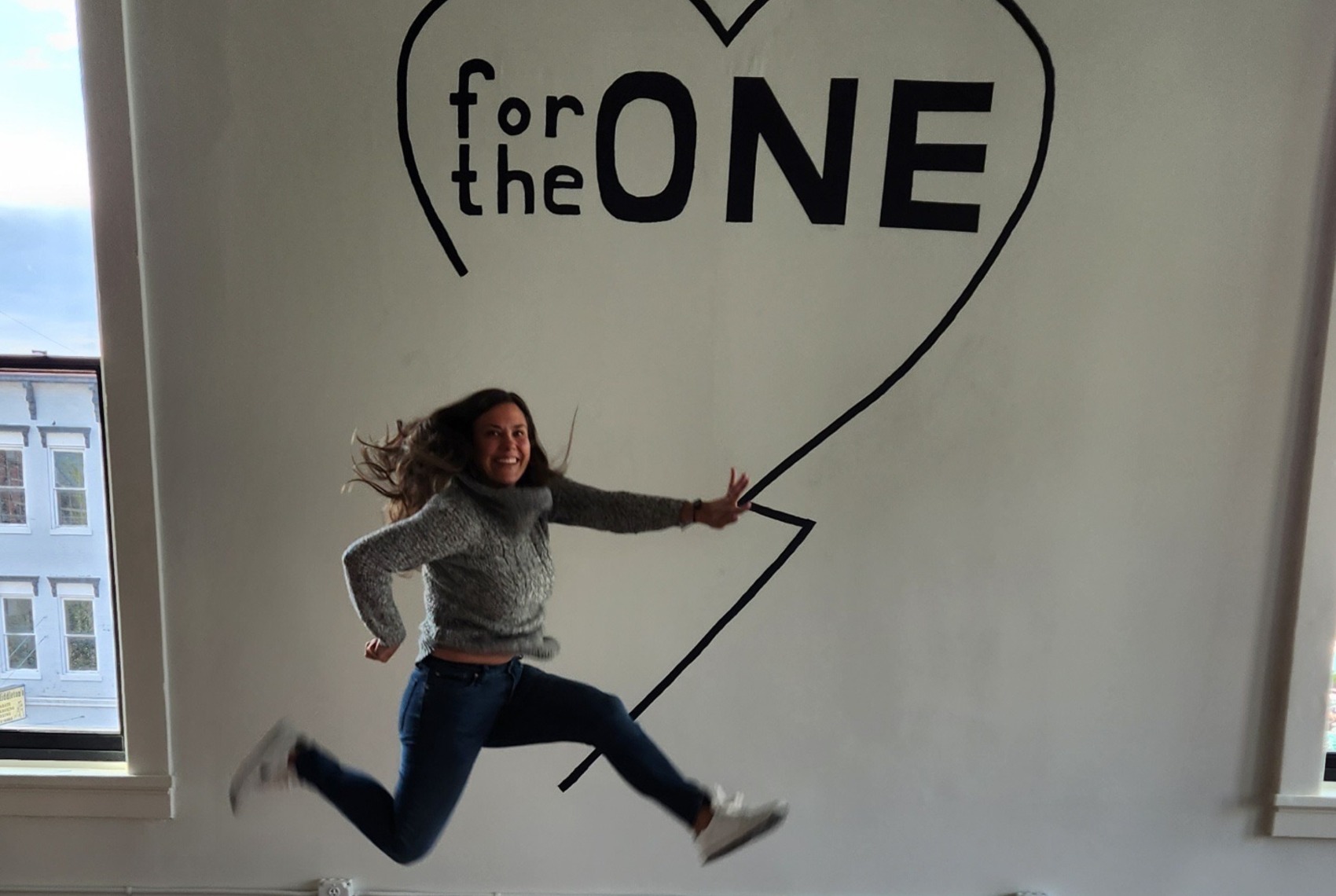
Breaking that first barrier opened my eyes to expanding my support system. I called my mom to come help around the house during my daughter’s visit. I invited my best friend for cocktails to talk things over and mend our friendship (how she didn’t quit as my EA is still beyond me). And the board helped me hire an executive coach to teach me to disconnect from work and be present at home.
I started waking up at the crack of dawn and finishing work around 2pm to be with my kids. All phone calls would stop as soon as I was off for the day, which brought me to the brutal realization that my team needed me less than I feared. I got better at delegating. I started picking up my son from school whenever I had him. I watched my daughter turn into an amazing, mature teenager, with whom I have a great relationship.
None of this was as straightforward as it sounds. It still takes effort. I made a decision I deeply regret and living with the consequences made me change my approach to both work and family. The company was acquired in 2025, but I still wonder what kind of CEO and mom I would be today if I were still leading the company. Would I resist 16-hour days when the pressure rose? Would I be as intentional as I am today about where my attention goes? I’d like to think so, but I’ll never know.
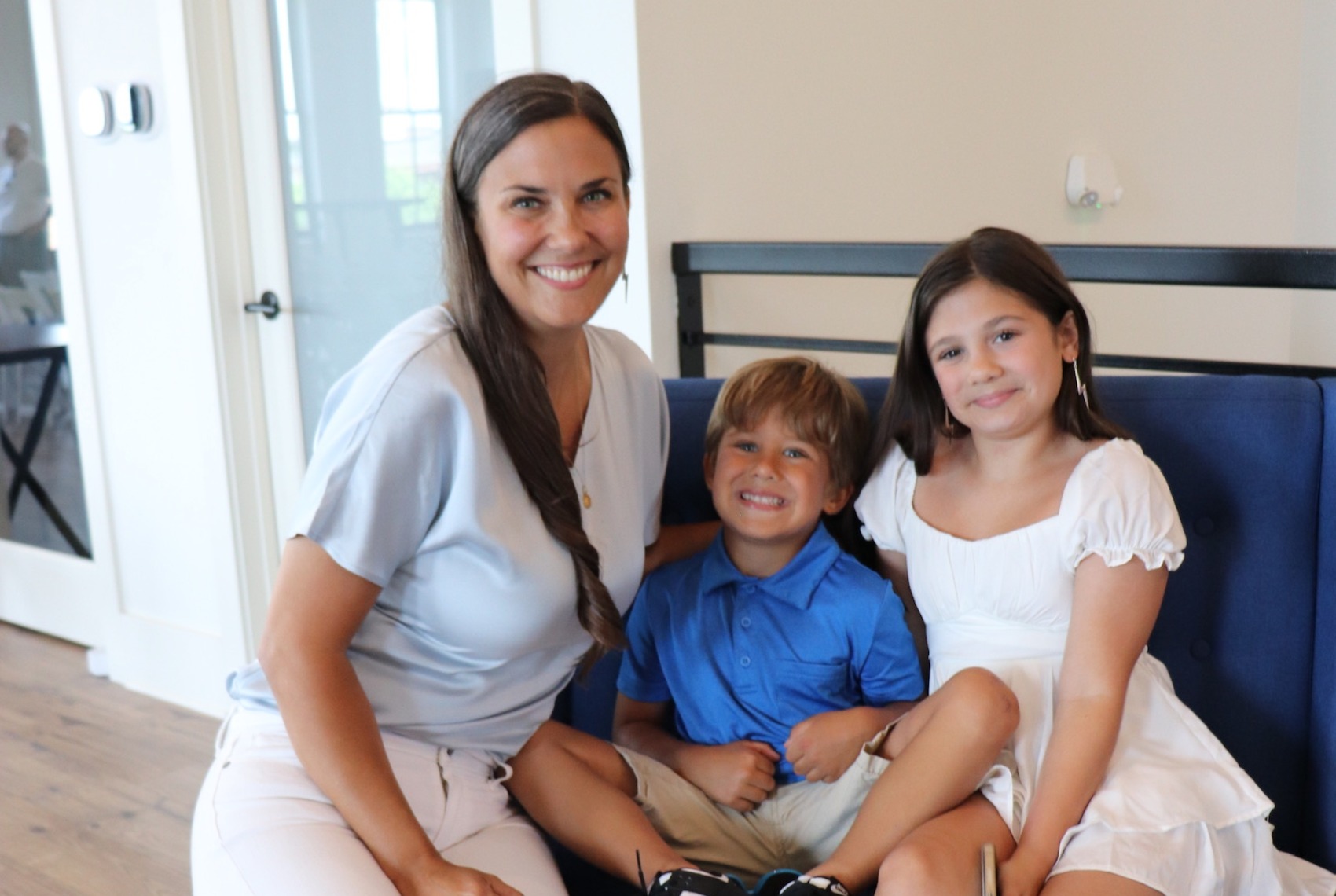
What I do know is that I no longer believe I have to carry everything myself. I have people in my life I can lean on, and I’m much more willing to let them show up for me. It turns out that asking for help doesn’t make the weight disappear, but it does make it possible to carry it differently.

Featured Stories

Endeavor Untold: The Weight I Couldn’t Carry Alone
Related Articles