Messages I Left Unread
As founding designer of WhatsApp, Anton Borzov helped build one of the world's most-used apps. But behind the career acceleration was a man running from something. Until he couldn't anymore.
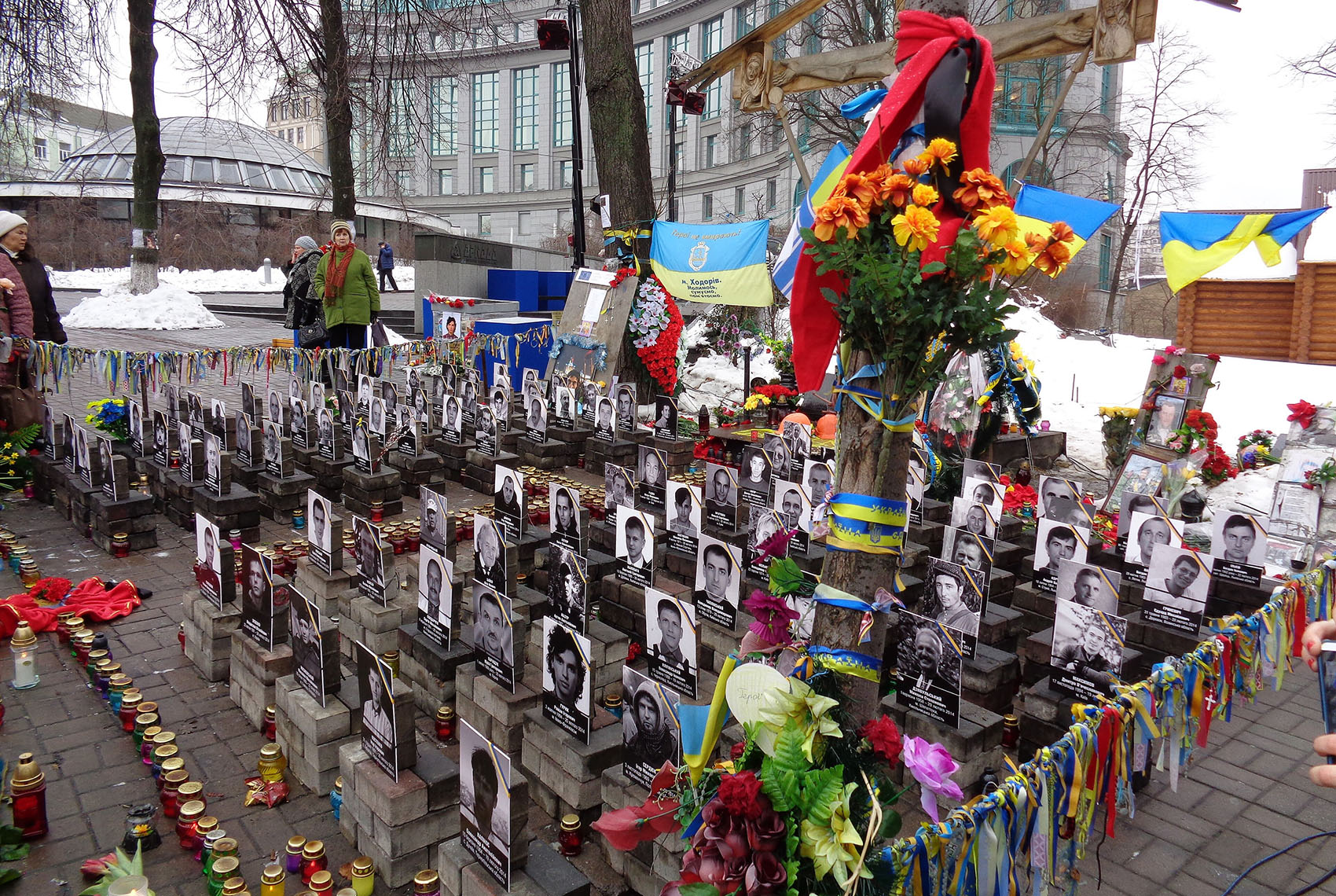
My phone wouldn’t stop buzzing. Dozens of Ukrainian protesters had just been shot by police snipers in Kyiv in what became known as the Maidan Massacre — a tragic response to pro-democracy protests that had been going on for months. I was home in Dnipro, and as an activist since my teenage years, I couldn’t take my eyes off the news.
That same night, as I scrolled through my feeds and spoke to friends who were devastated like me, I got a text on our work group chat: it was a photo of Mark Zuckerberg with our co-founder and CEO, Jan Koum, announcing that Facebook had just acquired WhatsApp.
It was a surreal feeling. One world was celebrating, another was falling apart. I didn’t know how to hold both.
So I didn’t. I went to sleep.
I was always a quiet guy. Growing up in Dnipro, a city known mostly for rockets, I spent more time soldering wires with my dad than playing in the street. He was a space engineer who appreciated art, so we built our first PC together when I was eight, but we also collected coins and stamps. I think that had a lot to do with me becoming a programmer and designer.
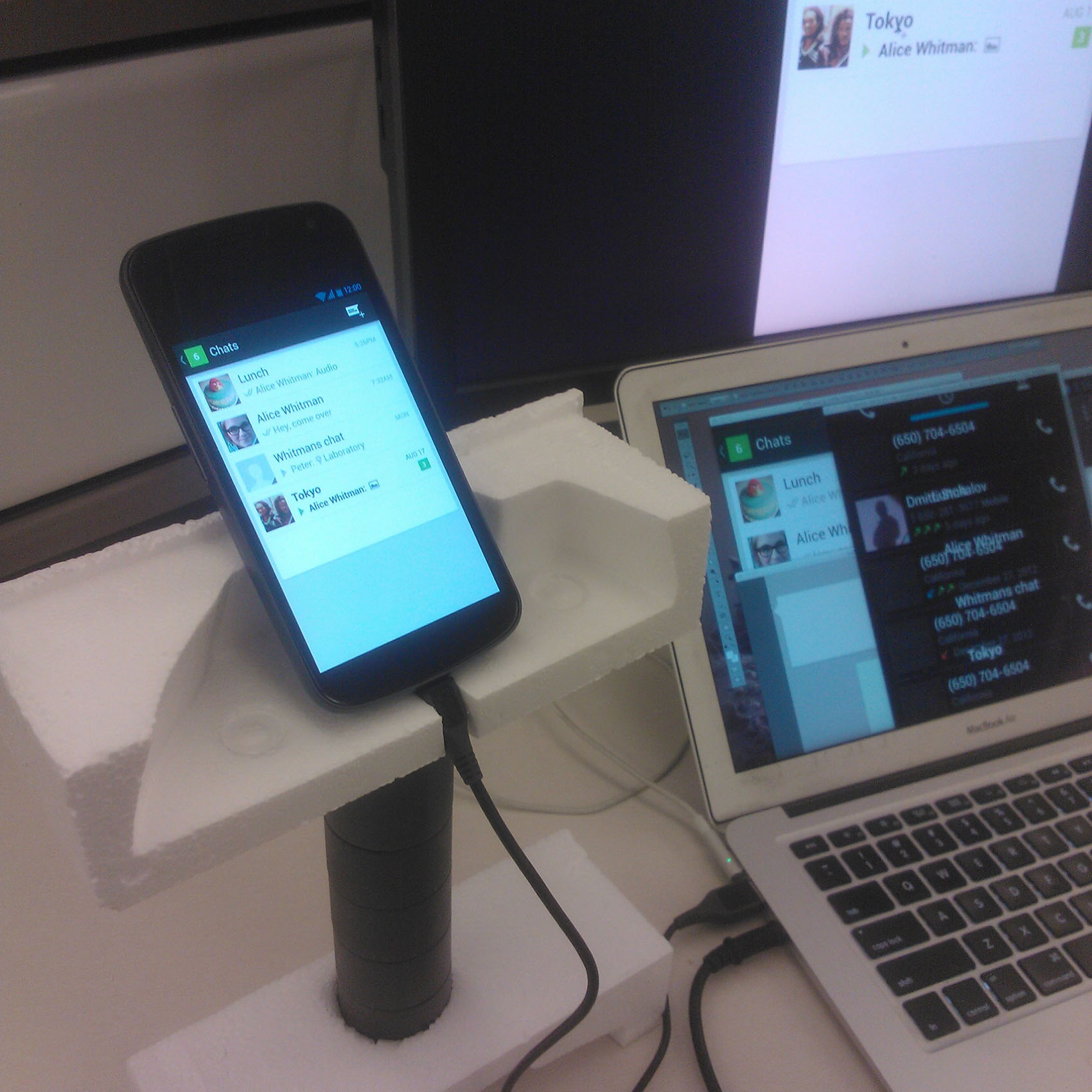
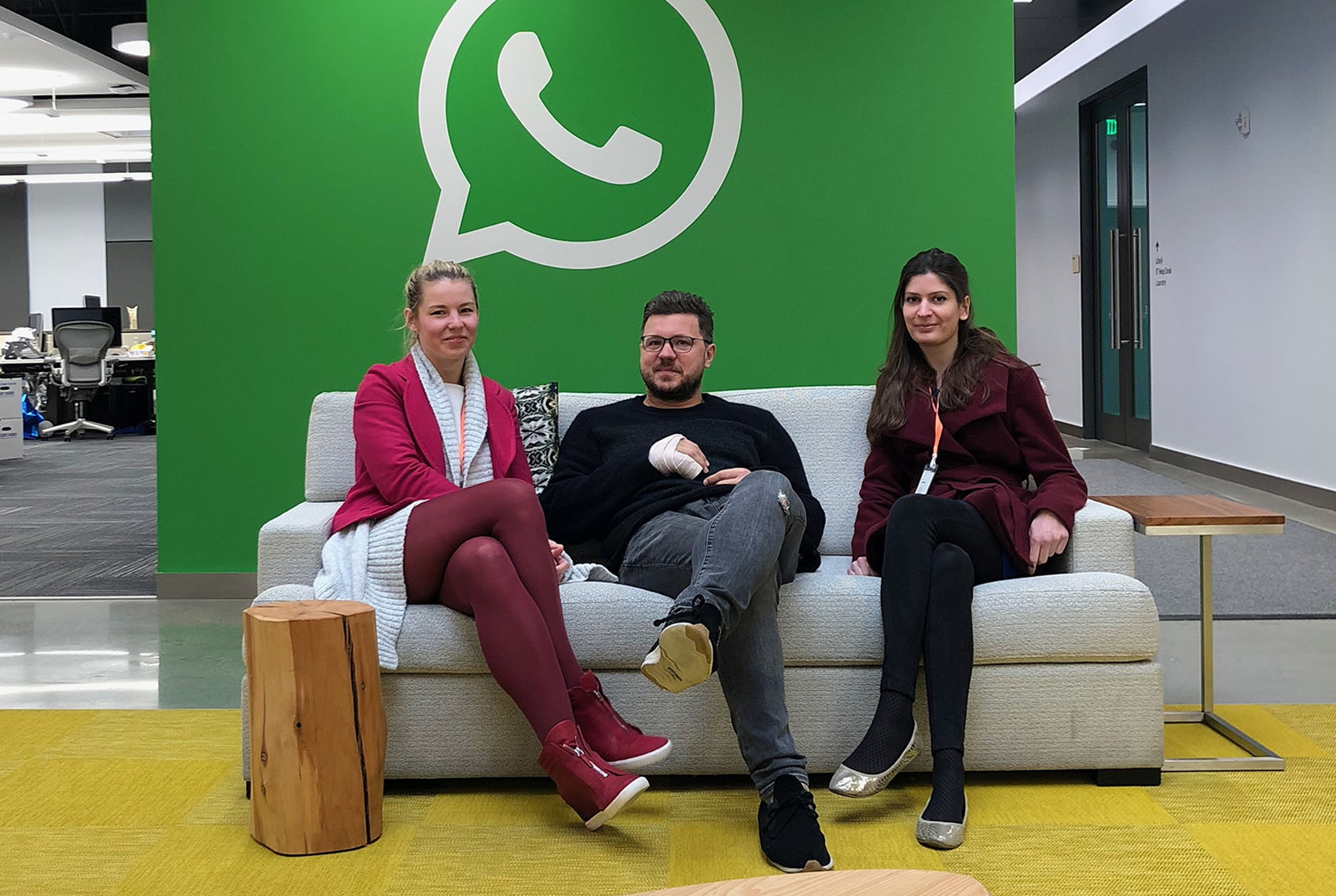
I joined WhatsApp as a freelancer. The logo, the early UI, those now-familiar check marks — I did them all, then ended up becoming the company’s founding designer. The early days were the best: tiny team, strong passion. We got to 400 million users like that, just trying to build something clean and useful.
The acquisition meant I’d be spending a year in the UK, then moving to the US for good. That summer of 2014, as our family prepared to leave our home country, I had a business trip to San Francisco.
The moment I landed, I got a call from my wife: our 12-year-old son had just had a stroke.
I flew back immediately. We spent a month in the hospital with him in Ukraine, then months more supporting his recovery in London. Our daughter was not even two at the time. My wife was managing a toddler and a hospitalized twelve-year-old while I flew back and forth, leading a fast-growing design team at Meta.
It was a lot, but once again, I just kept moving — doing, fixing, solving. Four years went by, and I don’t remember ever stopping to feel any of that.
It wasn’t until my dad’s passing that it all came flooding through the gates.
My dad was suddenly gone. I went home for the funeral, though I couldn’t stay long. I was sad, but that was it.
A month later, I flew back for some ceremonies in his honor and met with my grandma and aunt. That time, I could tell that some stronger feelings were kicking the door — something I couldn’t name.
In the middle of the night, I jolted awake — my heart racing and my chest tight. I thought I was going to die. Is this what a heart attack feels like?
I couldn’t breathe, and I lost consciousness. Eventually, I came back to my senses, not knowing what the hell had just happened.
Later that week, while at a café with old friends from Dnipro, a similar feeling kicked in. It was so overwhelming I couldn’t talk. I tried to hide it as best as I could, letting them take over the conversation and keeping a straight face, but I just wanted to escape it.
It became a recurring thing: trouble sleeping, crazy fast heart rate at seemingly random moments of the day. When I got back to the US, I decided to talk to a therapist who helped me decipher what messages my body was trying to send me.
I learned then that what I had were panic attacks.
It was like my body was processing a huge backlog of emotions, catching up to years of internalized stress, fears, and grief. From then on, no matter how much I tried to hold things in, they came out somehow.
Meta brought a different kind of challenge. The WhatsApp founders left, and new leaders came in with styles and priorities that felt foreign to me.
I didn’t have the language then to understand how frustrated and abandoned I felt; my self-awareness journey had barely begun. I just knew I was deeply uncomfortable and that, after nearly a decade, I had to leave WhatsApp.
The day I accepted an offer to join a new startup — on my way to announce it to my team — I rear-ended a coworker’s car in the Meta parking lot. My hands were steady on the wheel, but my mind was somewhere else entirely, lost in that fog that comes when you’re processing too much and feeling too little.
The fender bender may just seem like a dumb mistake, but it was a sign that my mind wasn’t as clear and sharp as usual, that maybe I was burned out.
I only had one week between jobs, but I needed proper rest. I googled meditation retreats. There was one starting that same day in Jikoki, just a half hour away — seven days in absolute silence. I took that as another sign, even though I had never meditated before.
That week changed everything.

After that retreat, I became a student at the Jikoji Zen Center. Today, I’m also president of Santa Barbara Zen Center. Through therapy and meditation, I began learning the names of feelings, and I realized how often I had confused calm with emotional shutdown.
In my twenties, when I was starting out as a freelancer, if a deadline slipped and shame crept in, I had a simple strategy: to close ICQ and not respond. Leaving messages unread was easier than dealing with the shame.
Now, I try to treat my feelings more like guests than enemies. I don’t rush them out the door; I let them stay as long as they need.
Anxiety is still part of who I am. But when you understand what’s happening on an emotional level, you can be creative instead of reactive. You can allow things to happen as they happen while understanding what’s happening.
That’s helped me become a better parent, partner, teammate, and human. It has helped me never to leave messages unread again.

Featured Stories

Endeavor Untold: The Weight I Couldn’t Carry Alone

Related Articles