The War Room in My Basement
Sam Dennigan turned Strong Roots into a global plant-based brand in 30,000+ stores. Then a funding deal became a lawsuit — a private war few knew he fought, and never fully left behind.
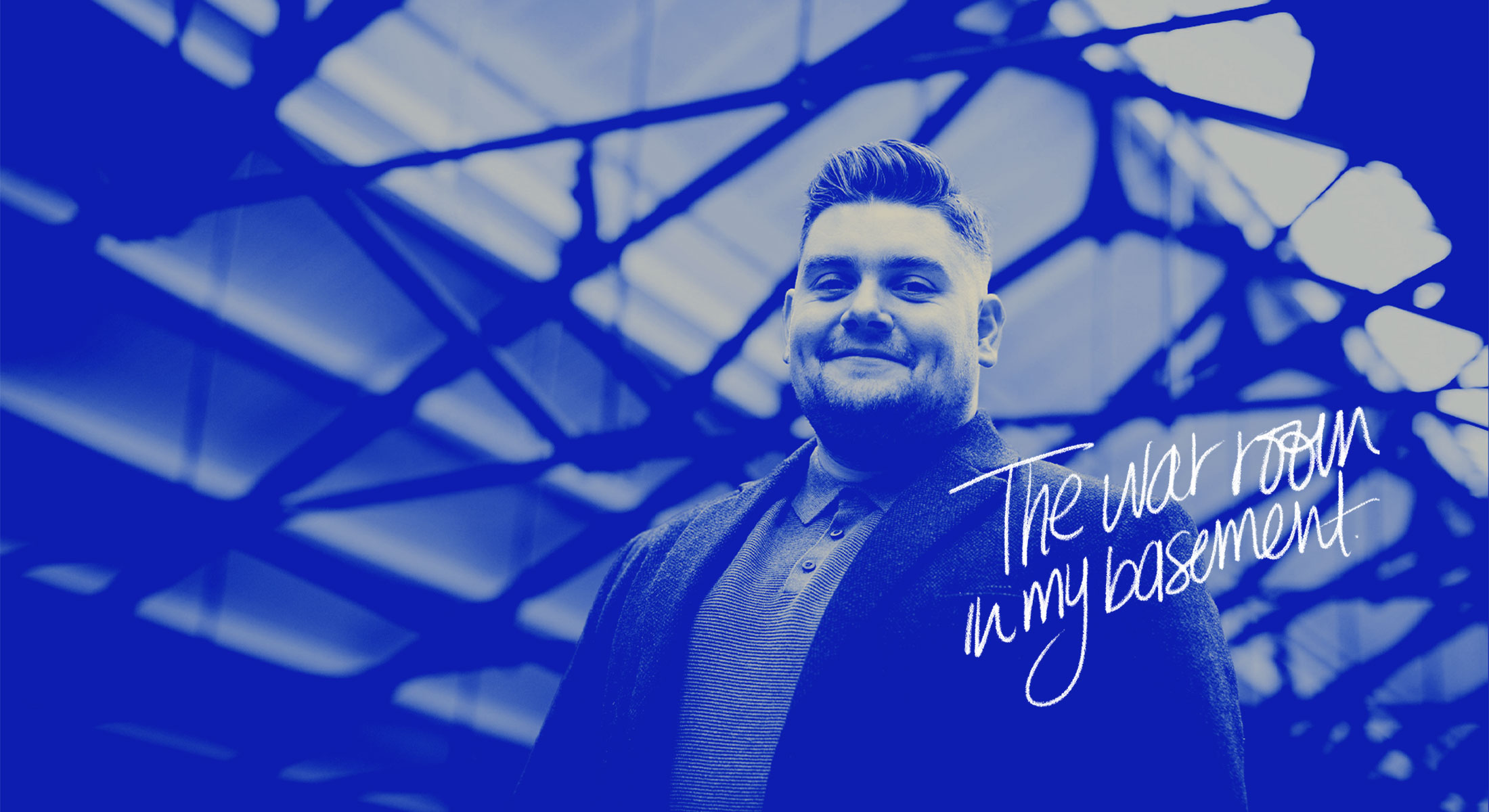
The basement was dim and cold, lit by the harsh blue of LED bulbs that rarely went off. Fast-food wrappers gathered in corners, the air thick with the smell of damp concrete and caffeine. I slept there, worked there, lived there, in this cell I built for myself. I was my own prisoner.
This court case had been going on for nine months, and everyone expected the worst-case scenario. So I micro-managed every different part of it. I woke up extra early in New York so I wouldn’t fall behind my legal team in Dublin, five hours ahead of me. And I only caught glimpses of my six-month-old son growing into a toddler, feeling as guilty about leaving my desk as I did about spending almost no time with my family upstairs.
Days bled into nights as I watched the world shrink to the size of the screens in front of me. The loneliness, foolishness, and embarrassment from the mistake I made were so great that the only thing I could do was to keep going. I told myself I didn’t have the privilege to leave; this mess was mine to fix.
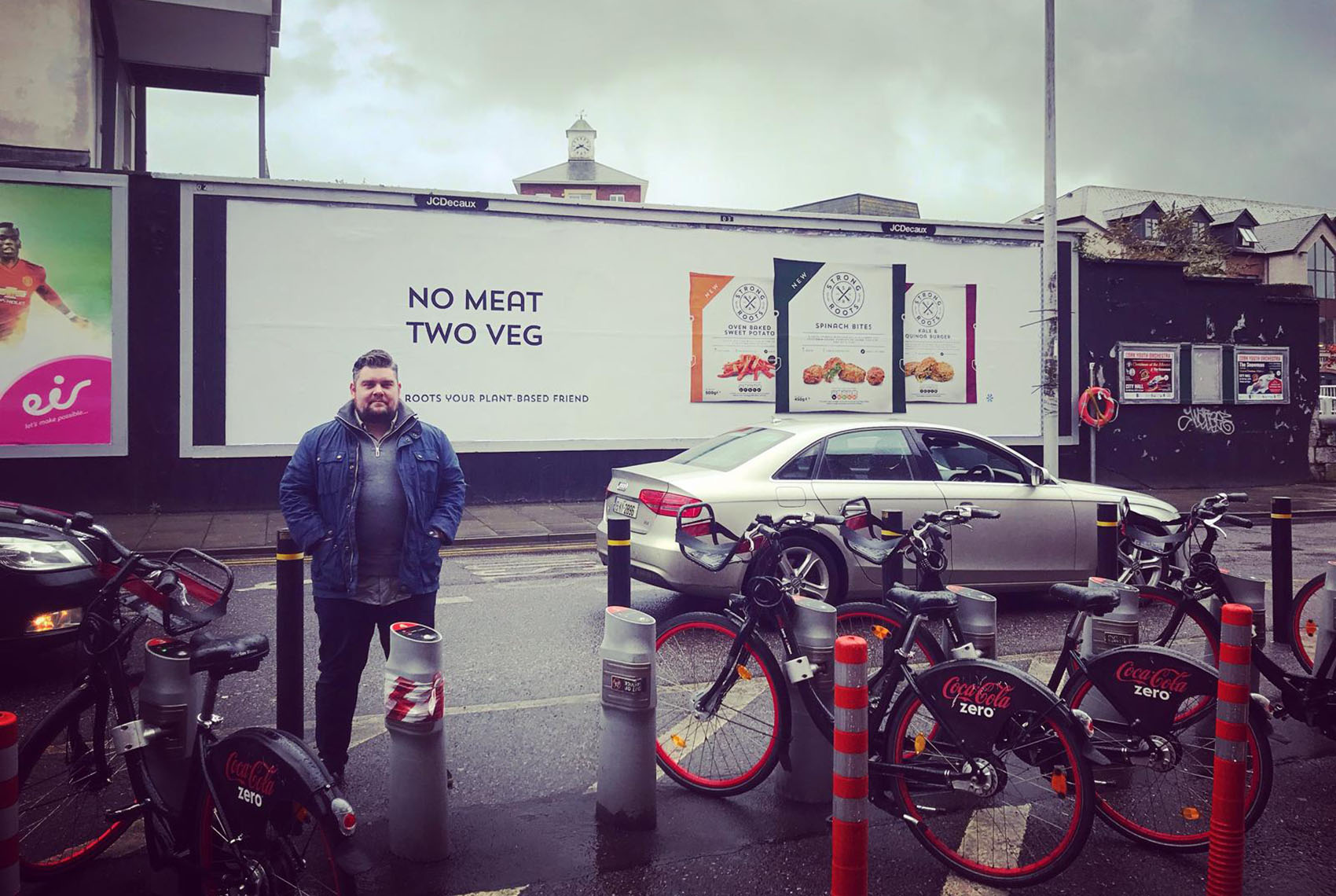
Going to the U.S. to fundraise for Strong Roots was my first ever “interview.” I’d never really had any professional experience outside the family company. Never thought of anything as a career. I went to art school, which eventually felt frivolous, so I asked my dad for a job.
I enjoyed working to improve the family business, doing a bit of everything. I had free rein to take risks, and they would often pay off. Strong Roots was my way out, and it was sink or swim. I had a lot of intuition, but very little knowledge around setting things up. We would make a lot of money, then burn just as much, just as fast.
I didn’t understand what private equity firms expected, what was in it for them, or what they needed to achieve. We found an enthusiastic lead investor who bet on us at a ridiculously high valuation, through an excruciatingly painful process. It should have been a red flag — I thought I was entering a decades-long partnership; they were in it for something entirely different. But their true colors only started showing when it was too late for us to change anything.
The day the deal closed, my chairman and I sat down and began planning how to get out of it.
I moved from London to New York City as part of the deal, with my wife and our newborn. Shortly after, the lawsuit came. Our lead investor claimed we didn’t meet certain profit targets and, therefore, breached a shareholder agreement.
This was a big lesson in humility and naiveté — it wasn’t that the big bad guys came to take our toys away; we had the responsibility to know what we were signing up for, and we didn’t. Our investor took advantage of that.
We spent hundreds of thousands of dollars in legal fees and endless hours in this battle. I turned my basement into a war room. I spent seven days a week in self-confinement. Covid made the isolation easier to justify — everyone was locked in, after all — but mine was different. It was chosen. Earned.
Every day I was fighting a different front: meetings with my legal team, educating myself on anything I didn’t know, lots of strategy talk, going through evidence, negotiating, drafting and reviewing multi-page proposals and counters. All on top of running a business at risk.
I won’t lie — part of me was addicted to it. The long nights, the mental gymnastics, the feeling of wrestling chaos into order. There was pleasure in that pressure, a rush in trying to outthink something that wanted to swallow me whole.
The investor tried to intimidate us into submission. His style was aggressive, machoistic, like getting scolded by a parent, except he was completely irrational. We’d have twelve people on a call, and he’d be the only one screaming. I would keep a brave face, then laugh it off: “Wow, he was extra crazy today.”
But it stayed with me.
His voice lingered long after the calls ended, the constant threat beneath his tone. I started checking over my shoulder. When things started opening up again, if I’d ever go out for brunch in New York, I’d scan every corner of the restaurant before sitting down, half-expecting to see him there. Paranoia had taken root, and something else was starting to take root.

The case went very much down to the wire, all of it born from poor judgment, poor planning. But in the end, we settled. By that time, my son was a toddler. The war was over; we withdrew our troops and so did the investor. Literally: they were able to sell their share in the company and “exit” Strong Roots. Victory, at last.
I remember the first flight I took home to Dublin not long after. I fell asleep somewhere over the Atlantic, and the flight attendant had to wake me twice — maybe three times — asking if I was okay. I was having night terrors.
I remember the nightmares, and the investor being in them. But the physicality of the whole thing looked insane. I would scream and move erratically in my seat. Clearly, I was having a breakdown — but it only manifested itself during rest. When I was conscious, from the outside, I was fine. Inside, it was turmoil, trauma that had been building up over the previous year.
This is what I imagine PTSD must feel like. I had dismantled the setup in the basement, stopped getting the emails, but the war was still going on in my head. And it didn’t fade quickly. It took maybe two years of talking it out, explaining the story, again and again. Only then did it start to wash out.
Still, there’s something that comes with surviving it. A steadiness. A quiet confidence that you’ve already seen the worst, and you’re still here. It stretches your threshold for risk. Not legally — I have no desire to relive courtrooms. But once I stood on the edge for months and not fallen, the edge stopped looking like a place to fear. You begin to believe you can dance there.
Strong Roots was acquired in 2024, and I have pondered becoming an entrepreneur and operator again. It comes with a cost you can’t ignore once you’ve lived it: the war-mode intensity, the 100-hour weeks, the missed family milestones. For now, I crave connection more than combat. I know I’m capable of jumping into the field again — maybe going even further — but you gotta know what you’re fighting for.

Featured Stories

Endeavor Untold: The Weight I Couldn’t Carry Alone

Related Articles