The future of fintech — and why money without context doesn’t work
Ribbit Capital has backed some of the biggest fintech companies in the world, including Robinhood, Revolut, and Nubank. Ribbit Capital founder, Micky Malka, explains what comes next.

Micky Malka wrote a letter to the tooth fairy in 1983. He said he didn’t trust his local currency in Venezuela and requested US dollars instead. Three months later, the bolivar devalued for the first time in thirty years. While raising capital for his first fund twelve years ago, Micky shared this story, captivating investors with its endearing and insightful glimpse into his early financial instincts.
Since then, Micky’s firm Ribbit Capital has backed several global fintech companies in the past decade, including Brex, Robinhood, Affirm, Coinbase, Nubank, Groww, and Revolut. Micky says that Ribbit is not a venture firm, but rather a startup that deploys capital and helps build systems and practices. “Our goal isn’t just to write checks. It’s to deposit ideas,” he said.
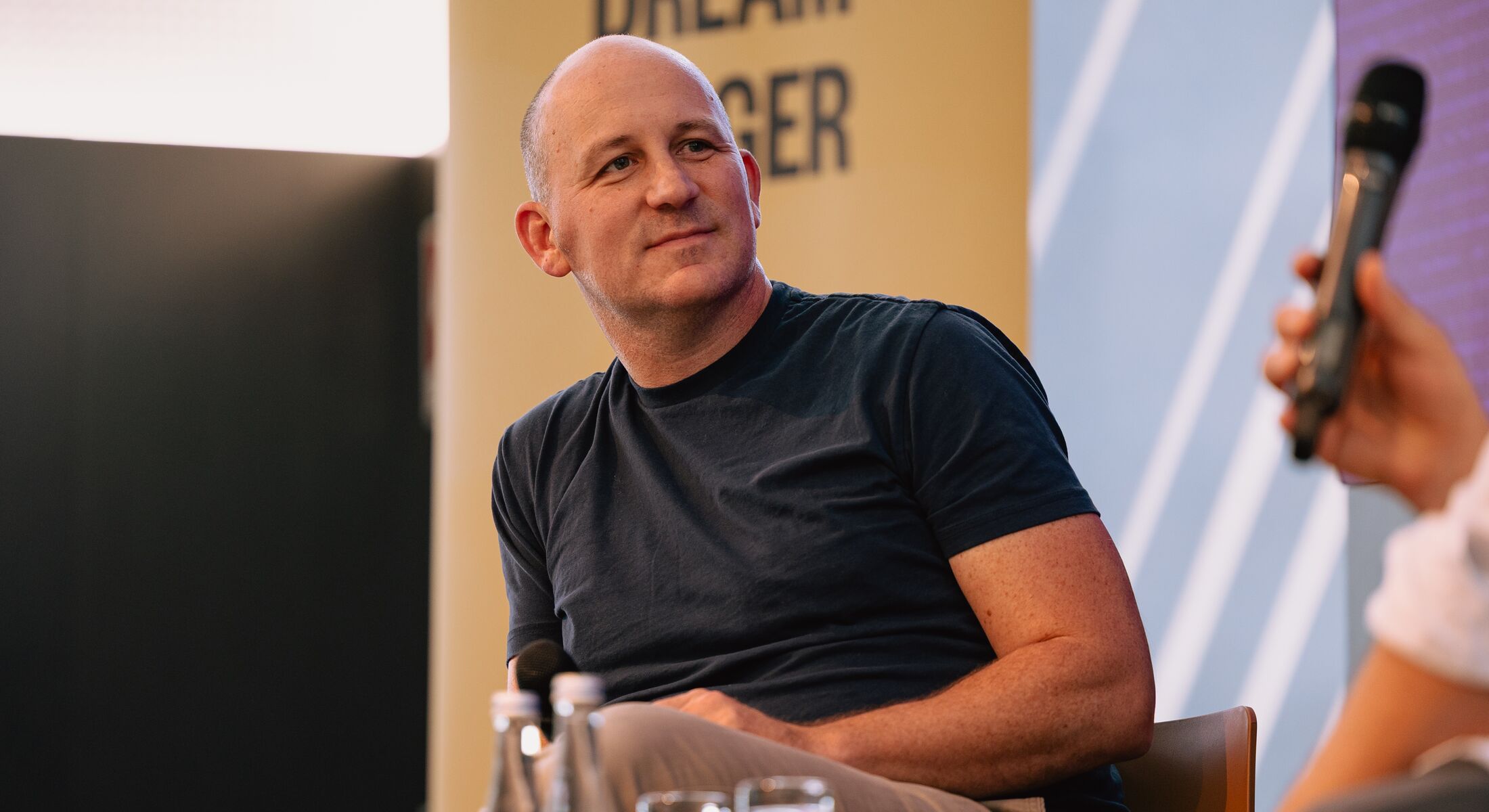
Micky spoke with Allen Taylor, managing partner at Endeavor Catalyst, our rules-based co-investment fund, earlier this year in San Francisco and shared his insights into the future of finance.
Key Takeaways
• THE FUTURE OF FINTECH: The first decade of fintech was all about giving people access to money. Now that the accessibility problem is largely solved in most places, innovators must shift to providing ‘money with context’ – personalized financial products that connect spending or saving with individual life circumstances versus the legacy one-size-fits-all approach.
• THE PROBLEM OF PERSONALIZATION: Our apps shouldn’t be the same if we’re different ages, at various life stages, within different networks, and in distinct life circumstances. The future lies in using AI, data, and other tools to make financial products fit each person’s unique situation, but the current financial infrastructure can’t support this yet.
• GLOBAL LEADERS: In an era of rebuilding financial systems, India is leading the charge, closely followed by Brazil, with platforms and currencies like Pix, Brazil’s instant payment system, and Drex, India’s digital rupee initiative. In other countries, it will be private entrepreneurs, not governments, building new financial grids.
• FROM EARLY PASSION TO ESTABLISHED ACADEMIA: Early crypto companies like Coinbase attracted passionate early adopters — investors, entrepreneurs, and dabblers alike. Now blockchain is being taught in universities… and that same passion is driving the next wave of innovation.
• FROM A FINITE TO AN INFINITE MINDSET: When Ribbit started, the team had a self-described finite mindset. Over time, they developed an infinite mindset. Instead of thinking of performance as the ultimate index, they started viewing it as an output, not an input. The input became the number of people they could impact in the world with better financial products. They have learned that by doing this at scale, the output takes care of itself.
Discover Micky Malka’s journey and profound insights on fintech, venture capital, and the future of entrepreneurship in the transcript below.
EXPLORE MORE
The Endeavor Catalyst Investor Meeting was more than just a gathering—it brought together investors and founders to shape the future of global venture capital. Through engaging panels, our partners and Endeavor Entrepreneurs shared insights, explored emerging trends, and debated innovations set to redefine venture capital beyond Silicon Valley.
Here’s a look back at the conversations reshaping the global landscape.
Featured Stories
We don’t need more startups. We need more businesses.
Silicon Valley got crowded again. Here are 400 reasons why we’re staying Elsewhere.

2025 Endeavor Catalyst Annual Report: A Look into Global Venture Capital
Related Articles
We don’t need more startups. We need more businesses.